
This post contains affiliate links. If you buy something from one of our links we may earn a commission. Thanks
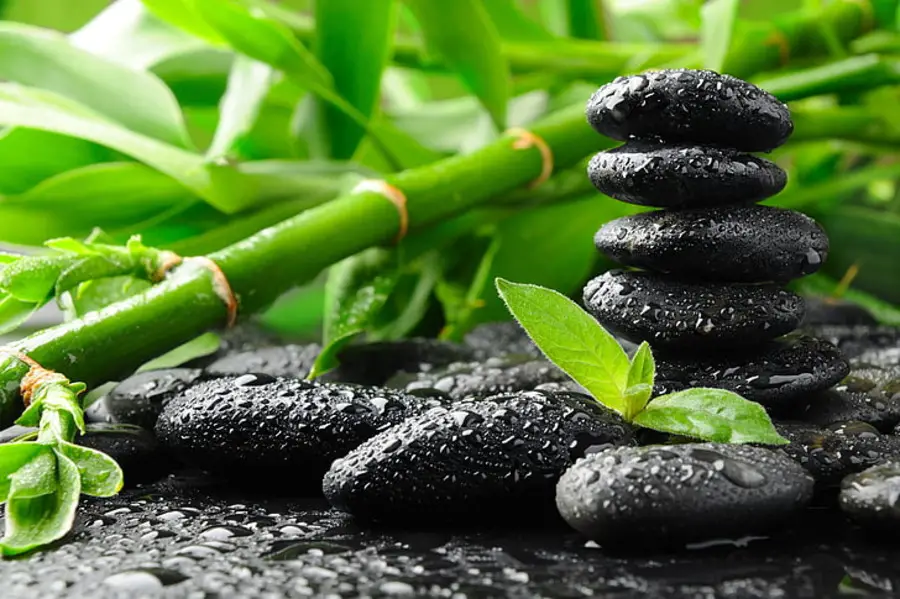
Feng Shui Plants bring harmony, balance, and positivity to your home. Learn how these plants can attract wealth, love, and good energy effortlessly.
Feng Shui Plants are more than just decoration—they’re powerful tools for creating balance, harmony, and good energy in your home.
From attracting wealth to promoting relaxation, these plants can transform any space into a peaceful, vibrant retreat.
Ready to discover how these green companions can improve your life? Let’s explore!
Feng Shui Plants Key Takeaways
- Feng Shui Plants are living symbols of balance and harmony, promoting positive energy in your home.
- They can attract wealth, love, and good health when placed strategically.
- Popular options include the Money Tree, Peace Lily, and Lucky Bamboo, each carrying unique benefits for enhancing specific areas of your life.
Introduction to Feng Shui and Plants
Feng Shui is all about creating a balanced environment where energy, or Chi, flows smoothly.
Adding plants to your home is a practical way to bring this harmony indoors. With the right placement, plants can purify the air, uplift your mood, and create a space that feels calm and welcoming.
Overview of Feng Shui Principles and Their Connection to Plants
Feng Shui principles revolve around balancing the five elements: wood, fire, earth, metal, and water.
Plants represent the wood element, symbolizing growth, vitality, and new beginnings.
By placing plants strategically, you can activate positive energy in specific areas of your home, supporting wealth, love, health, and other aspects of life.
Feng shui , sometimes called Chinese geomancy, is a traditional form of geomancy that originated in Ancient China and claims to use energy forces to harmonize individuals with their surrounding environment. https://en.wikipedia.org/wiki/Feng_shui
Benefits of Incorporating Feng Shui Plants in the Home
Feng Shui plants don’t just look good. They also work wonders for your well-being and home energy. Here’s why they’re a great addition:
- Air Purification: Many plants filter toxins, making your home healthier.
- Boosts Positive Energy: Proper placement promotes harmony and reduces stress.
- Symbolizes Growth: Encourages personal and professional success.
- Attracts Prosperity: Plants like the Money Tree are believed to draw wealth and abundance.
1. Plants for Attracting Wealth and Prosperity
Plants can do more than brighten up a room; they can also bring a sense of abundance into your home.
In Feng Shui, certain plants are believed to attract wealth, financial success, and positive energy.
With the right placement, these green companions can help create a space that feels prosperous and balanced.
Lucky Bamboo

Lucky Bamboo is a well-known symbol of good fortune and prosperity in Feng Shui. With its sleek, elegant stalks, this plant adds beauty to your space and boosts positive energy when placed correctly.
It’s a perfect choice for inviting balance and harmony into your home or office.
Feng Shui Benefits
- Attracts Wealth and Prosperity: Lucky Bamboo represents growth, flexibility, and resilience, aligning with the wood element in Feng Shui to enhance abundance.
- Promotes Harmony: Its clean, vertical lines encourage a smooth flow of energy, balancing chi in your space.
- Boosts Luck: The number of stalks carries specific meanings—three for happiness, five for health, and eight for wealth.
Care Instructions
- Water: Keep the roots submerged in clean, distilled water. Replace the water every 7–10 days to prevent stagnation.
- Light: Place in bright, indirect sunlight to avoid leaf burn.
- Temperature: Maintain a warm environment, ideally between 65–90°F, to keep it thriving.
- Support: Use pebbles or a decorative container to stabilize the stalks.
Best Placement
-
- Wealth Corner: Place in the southeast area of your home or office to activate financial success.
- Entryway: Position near the front door to attract good luck as it enters your space.
- Workspaces: Add Lucky Bamboo to your desk to encourage productivity and balance.
Money Tree (Pachira aquatica)

The Money Tree is a popular Feng Shui plant known for its association with wealth and financial success.
With its braided trunk and lush green leaves, it’s a symbol of prosperity and positive energy. Easy to care for, this plant is a favorite for homes and offices alike.
Feng Shui Benefits
- Attracts Wealth: Its rounded leaves and sturdy structure align with the wood element, promoting abundance and financial growth.
- Enhances Positivity: The braided trunk is believed to lock in good fortune and prosperity.
- Reduces Stress: Its vibrant energy fosters a calming atmosphere that encourages focus and balance.
Care Instructions
- Water: Allow the top inch of soil to dry out between waterings to prevent root rot. Water thoroughly, but don’t let the plant sit in standing water.
- Light: Place in bright, indirect sunlight for best growth. Avoid direct sunlight, as it can scorch the leaves.
- Temperature: Keep it in a warm room, ideally between 60–75°F. Protect it from cold drafts and temperature fluctuations.
- Humidity: Prefers moderate to high humidity levels. Mist the leaves occasionally if the air is dry.
Best Placement
-
- Wealth Corner: Position in the southeast corner of your home or workspace to enhance financial prosperity.
- Living Room: Place in a prominent spot to encourage harmonious energy for the entire household.
- Office Desk: Keep a small Money Tree on your desk to attract success and good fortune in your career.
Jade Plant

The Jade Plant, also known as the “money plant,” is a classic symbol of wealth and prosperity in Feng Shui.
With its round, coin-shaped leaves and ability to thrive with minimal care, this plant is a favorite for attracting abundance and positive energy to homes and workplaces.
Feng Shui Benefits
- Attracts Wealth: Its rounded leaves symbolize coins, making it a powerful symbol of financial prosperity.
- Promotes Growth and Stability: As it grows steadily, it encourages stable energy and long-term success.
- Boosts Positive Energy: Its vibrant green color radiates life and vitality, creating a harmonious environment.
Care Instructions
- Water: Water sparingly, allowing the soil to dry out completely between waterings. Overwatering can lead to root rot.
- Light: Prefers bright, indirect light but can tolerate some direct sunlight. A sunny windowsill is ideal.
- Temperature: Thrives in temperatures between 65–75°F. Avoid placing it near drafts or in freezing conditions.
- Soil: Use well-draining succulent or cactus soil to prevent water retention.
Best Placement
-
- Wealth Corner: Place in the southeast area of your home or office to invite financial prosperity.
- Entryway: Position near the front door to welcome good fortune into your space.
- Office Desk: Keep a small Jade Plant on your desk to attract success and abundance in your career.
Rubber Plant

The Rubber Plant is a stunning addition to any space with its glossy, deep green leaves.
In Feng Shui, it’s valued for its ability to attract abundance and positive energy while promoting a sense of stability.
Its low-maintenance nature makes it a popular choice for both homes and offices.
Feng Shui Benefits
- Symbolizes Wealth and Abundance: The round, broad leaves represent prosperity and financial growth.
- Purifies the Air: Its ability to remove toxins from the air contributes to a healthy and harmonious environment.
- Encourages Stability: Its strong presence fosters a sense of groundedness and balance.
Care Instructions
- Water: Keep the soil consistently moist but not waterlogged. Allow the top layer of soil to dry slightly between waterings.
- Light: Prefers bright, indirect light but can tolerate lower light conditions. Avoid direct sunlight to prevent leaf scorch.
- Temperature: Thrives in temperatures between 60–75°F. Protect from cold drafts and sudden temperature changes.
- Humidity: Appreciates moderate to high humidity. Mist the leaves occasionally, or use a humidifier if the air is dry.
Best Placement
-
- Wealth Corner: Place in the southeast area of your home to activate prosperity and financial energy.
- Living Room: Position in a well-lit corner to enhance the overall harmony of the space.
- Office: A Rubber Plant near your desk can help create a calming and productive atmosphere.
Pothos

Pothos, also known as Devil’s Ivy, is a versatile and hardy plant that’s perfect for Feng Shui.
Its cascading vines and heart-shaped leaves are believed to bring positive energy and good fortune.
It’s also an excellent choice for improving air quality and adding a touch of greenery to any space.
Feng Shui Benefits
- Encourages Wealth and Prosperity: The flowing vines symbolize growth and abundance.
- Removes Negative Energy: Pothos is thought to absorb bad vibes, promoting a more peaceful environment.
- Supports Resilience: Its ability to thrive in various conditions reflects perseverance and adaptability.
Care Instructions
- Water: Allow the soil to dry out slightly between waterings. Overwatering can lead to root rot.
- Light: Thrives in bright, indirect light but can tolerate low-light conditions. Avoid direct sunlight to prevent leaf burn.
- Temperature: Prefers temperatures between 65–85°F and doesn’t do well in cold drafts.
- Soil: Use well-draining potting soil to keep the roots healthy.
Best Placement
-
- Wealth Corner: Hang or place a Pothos in the southeast corner of your home to promote financial growth.
- Hallways and Corners: Use it to redirect energy flow in areas where chi may feel stagnant.
- Office Desk: Place a small Pothos on your desk to encourage productivity and positivity.
Indoor Citrus Trees

Indoor citrus trees, such as lemon, lime, or orange trees, are highly valued in Feng Shui for their association with abundance, wealth, and good fortune.
Their vibrant fruits and fragrant blossoms bring uplifting energy and vitality to your home, making them a symbol of prosperity and success.
Feng Shui Benefits
- Symbolizes Wealth and Abundance: The fruits represent prosperity and financial growth.
- Encourages Positivity: Their vibrant appearance and citrus aroma promote joy and motivation.
- Represents Growth and Vitality: The tree’s steady growth aligns with personal and professional advancement.
Care Instructions
- Water: Keep the soil consistently moist but not soggy. Water when the top inch of soil feels dry.
- Light: Requires bright, direct sunlight for at least 6–8 hours daily. Place near a sunny window or use a grow light if needed.
- Temperature: Prefers warm temperatures between 65–85°F. Avoid cold drafts or frost.
- Soil: Use well-draining, slightly acidic soil to support healthy growth and fruit production.
Best Placement
- Living Room: Position in a sunny corner to symbolize prosperity and uplift the space.
- Kitchen: Perfect for adding a vibrant and refreshing energy to the heart of your home.
- Wealth Corner: Place in the southeast area of your home to activate financial success in Feng Shui.
2. Plants for Positive Energy and Air Purification
Some plants do more than just look good; they make your home feel better, too.
In Feng Shui, plants that purify the air and boost positive energy can transform your space into a sanctuary.
These plants help reduce stress, clear negativity, and create a fresh, uplifting environment for everyone.
Bamboo Palm

The Bamboo Palm is a graceful, air-purifying plant that brings a calming and refreshing energy to any space.
In Feng Shui, it symbolizes good fortune and vitality, making it a perfect choice for improving air quality and uplifting the flow of chi in your home.
Feng Shui Benefits
- Symbolizes Good Fortune: Associated with prosperity and positive energy flow.
- Purifies Air: Removes toxins and improves air quality, creating a healthier environment.
- Promotes Relaxation: Its gentle, arching fronds bring a soothing and harmonious presence to your space.
Care Instructions
- Water: Keep the soil consistently moist but not soggy. Allow the top inch of soil to dry slightly between waterings.
- Light: Thrives in bright, indirect light but can tolerate lower light conditions. Avoid direct sunlight, which can damage the leaves.
- Temperature: Prefers temperatures between 65–80°F. Protect from cold drafts and sudden temperature changes.
- Humidity: Enjoys moderate to high humidity. Mist occasionally or use a humidifier in drier climates.
Best Placement
- Living Room: Position in a corner or near seating areas to enhance energy flow and air quality.
- Office: Place near your workspace to create a calm and productive environment.
- Entryway: Use near the entrance to welcome good fortune and positive energy into your home.
Calathea

Calathea, often called the “prayer plant” for its unique leaf movements, is a stunning choice for Feng Shui.
Known for its vibrant patterns and calming energy, Calathea promotes positivity and balance while improving air quality, making it a perfect addition to any home.
Feng Shui Benefits
- Encourages Harmony: Its graceful leaves and soothing presence create a peaceful atmosphere.
- Purifies Air: Helps cleanse toxins, supporting a healthier and more balanced environment.
- Symbolizes Renewal: The plant’s daily movements symbolize adaptability and growth.
Care Instructions
- Water: Keep the soil evenly moist but not soggy. Water when the top inch of soil feels dry, and avoid letting it completely dry out.
- Light: Thrives in bright, indirect light. Avoid direct sunlight, which can fade its beautiful patterns.
- Temperature: Prefers temperatures between 65–80°F. Protect from drafts and extreme cold.
- Humidity: Requires high humidity. Mist regularly or place near a humidifier to keep its leaves vibrant.
Best Placement
- Living Room: Position in a well-lit area to enhance harmony and positivity in shared spaces.
- Bedroom: Place near a window to create a calming and balanced energy for restful sleep.
- Bathroom: Its love for humidity makes it ideal for bathrooms, where it can thrive and purify the air.
Bromeliads

Bromeliads are bold, vibrant plants that bring a touch of tropical energy into your home.
Their striking colors and unique structure make them a favorite for feng shui for uplifting energy and improving the flow of Chi, and their air-purifying qualities promote a fresh and healthy environment.
Feng Shui Benefits
- Uplifts Energy: Their bright, colorful appearance encourages positivity and vibrancy in your space.
- Improves Air Quality: Known for their ability to purify the air and enhance the energy flow.
- Symbolizes Joy and Creativity: Perfect for spaces where inspiration and cheer are needed.
Care Instructions
- Water: Fill the central “cup” of the plant with water and keep it topped up. Water the soil lightly but avoid overwatering.
- Light: Prefers bright, indirect sunlight but can tolerate some direct sunlight for short periods.
- Temperature: Thrives in warm temperatures between 60–80°F. Protect from frost and cold drafts.
- Humidity: Enjoys high humidity. Mist the leaves regularly or place them near a humidifier in drier environments.
Best Placement
- Living Room: Position in a sunny corner to brighten the space and enhance the energy flow.
- Home Office: Place near your workspace to inspire creativity and positivity.
- Bathrooms: Ideal for humid areas, adding a lively touch while purifying the air.
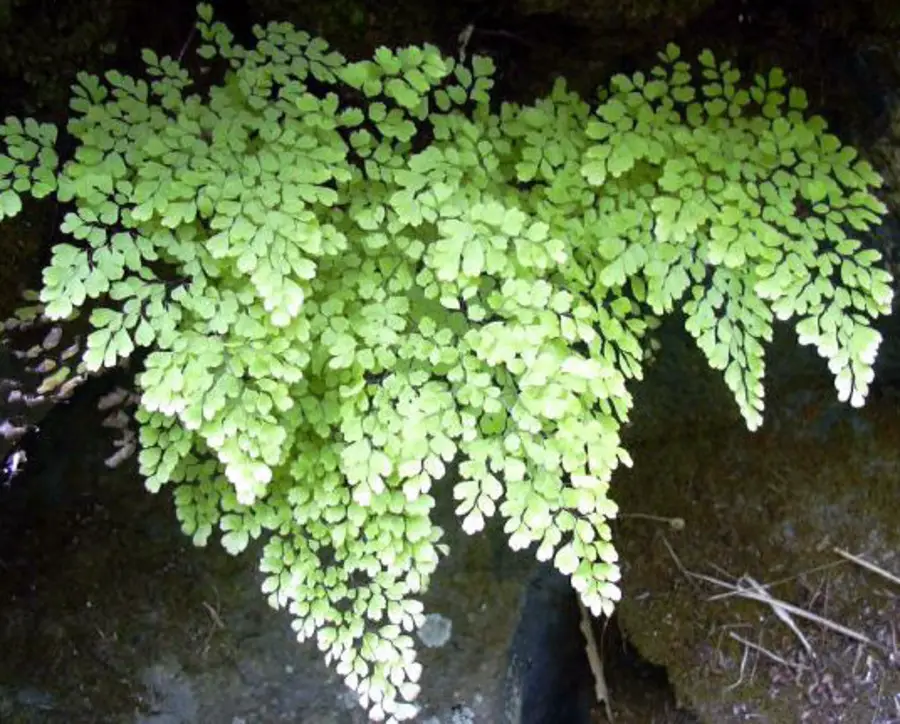
Maidenhair Fern
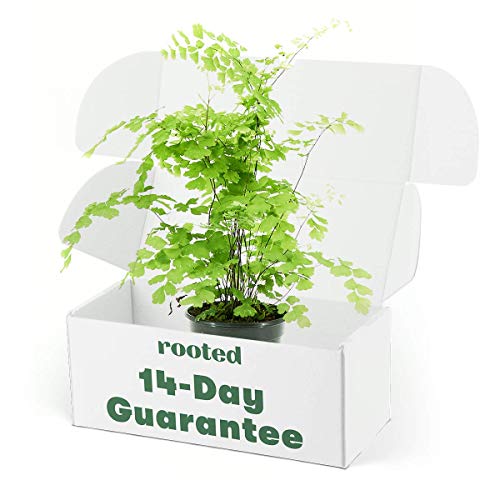
The Maidenhair Fern is a delicate and elegant plant that adds a touch of softness and vitality to any space.
Its feathery leaves and graceful appearance make it a wonderful choice for creating a peaceful and refreshing atmosphere in your home.
Feng Shui Benefits
- Encourages Tranquility: Its flowing, airy leaves promote relaxation and calmness.
- Purifies the Air: Helps filter toxins, improving the overall energy and air quality in your space.
- Symbolizes Renewal: Associated with growth and rebirth, making it a perfect fit for areas needing revitalized energy.
Care Instructions
- Water: Keep the soil consistently moist but not soggy. Maidenhair Ferns thrive in high humidity, so mist them regularly.
- Light: Prefers bright, indirect light. Avoid direct sunlight, as it can scorch the delicate leaves.
- Temperature: Thrives in temperatures between 60–75°F. Protect it from cold drafts and sudden temperature changes.
- Humidity: Requires high humidity. Consider placing it in a bathroom or using a humidifier nearby.
Best Placement
- Bathrooms: Ideal for high-humidity areas where it can purify the air and energize the space.
- Living Room: Place in a bright, indirect light corner to bring softness and vitality to the space.
- Bedroom: Its calming presence makes it a great addition to a peaceful and restful environment.
Indoor Plants for Bathrooms: Transform Your Space into a Lush Oasis
Areca Palms

Areca Palms, also known as butterfly palms, are elegant plants with feathery fronds that bring a refreshing energy to any space.
In Feng Shui, they are associated with positivity, health, and harmony, making them a popular choice for uplifting your home environment.
Feng Shui Benefits
- Promotes Positive Energy: Its gentle, flowing fronds encourage a smooth and balanced chi flow.
- Improves Air Quality: Removes toxins from the air, contributing to a healthier and more vibrant space.
- Symbolizes Harmony: Perfect for creating a calm and peaceful atmosphere in your home.
Care Instructions
- Water: Keep the soil consistently moist but not soggy. Water when the top inch of soil feels dry.
- Light: Thrives in bright, indirect sunlight. Can tolerate some shade but avoid direct sunlight, which can scorch the leaves.
- Temperature: Prefers temperatures between 65–75°F. Protect from cold drafts or sudden temperature changes.
- Humidity: Enjoys moderate to high humidity. Mist regularly or place near a humidifier in drier climates.
Best Placement
- Living Room: Position in a bright corner to enhance the energy flow and create a relaxing atmosphere.
- Entryway: Place near the front door to welcome positive energy and good vibes.
- Office: Use in workspaces to purify the air and maintain a calm, focused environment.
Umbrella Plant

The Umbrella Plant, with its distinctive, umbrella-like leaves, is a wonderful choice for bringing balanced energy into your home.
It’s known for its ability to improve air quality and create a harmonious flow of Chi, making it a versatile addition to Feng Shui spaces.
Feng Shui Benefits
- Balances Energy: Its rounded, umbrella-shaped leaves promote harmony and positive energy flow.
- Improves Air Quality: Helps filter toxins and refresh the environment.
- Encourages Growth: Symbolizes personal and professional growth, making it perfect for areas where motivation is needed.
Care Instructions
- Water: Keep the soil evenly moist but not soggy. Allow the top inch of soil to dry slightly between waterings.
- Light: Prefers bright, indirect light but can tolerate lower light levels. Avoid direct sunlight, which can scorch its leaves.
- Temperature: Thrives in temperatures between 65–75°F. Protect from drafts and temperature extremes.
- Humidity: Prefers moderate humidity. Mist occasionally or place near other plants to maintain moisture.
Best Placement
- Living Room: Position in a corner to create balance and improve energy flow throughout the space.
- Home Office: Place near your desk to inspire growth and productivity.
- Entryway: Use near the front door to welcome harmony and positive vibes into your home.
Parlor Palm

The Parlor Palm is a classic indoor plant that exudes elegance and tranquility.
Its feathery fronds and easy-care nature make it a popular choice in Feng Shui for creating a calming atmosphere and improving air quality.
This plant is perfect for bringing balance and refreshing energy to your home.
Feng Shui Benefits
- Promotes Positive Energy: Its soft, arching leaves encourage a gentle flow of chi, creating a peaceful environment.
- Purifies the Air: Removes toxins and enhances the air quality in your space.
- Symbolizes Peace and Serenity: Ideal for creating a relaxing and harmonious atmosphere.
Care Instructions
- Water: Water when the top inch of soil is dry. Avoid overwatering, as the Parlor Palm prefers slightly moist but not soggy soil.
- Light: Thrives in low to medium indirect light. Avoid direct sunlight, which can damage its delicate fronds.
- Temperature: Prefers temperatures between 65–75°F. Protect from cold drafts or sudden temperature changes.
- Humidity: Enjoys moderate humidity. Mist occasionally or place near other plants to maintain moisture.
Best Placement
- Living Room: Position in a corner or near a seating area to enhance the room’s balance and tranquility.
- Bedroom: Place in a low-light spot to promote restful energy and air purification.
- Home Office: Perfect for creating a calm, focused work environment.
English Ivy

English Ivy is a classic and versatile plant in Feng Shui, known for its trailing vines and ability to improve air quality.
It’s believed to clear negative energy and promote harmony, making it a great choice for refreshing and revitalizing your living space.
Feng Shui Benefits
- Cleanses Negative Energy: Ivy absorbs bad vibes and helps maintain a peaceful atmosphere.
- Promotes Positivity: Its cascading vines encourage the smooth flow of chi throughout your space.
- Purifies Air: Known for filtering toxins, it improves air quality and overall energy.
Care Instructions
- Water: Allow the soil to dry slightly between waterings. Ivy prefers moist soil but doesn’t tolerate overwatering.
- Light: Thrives in bright, indirect light but can adapt to lower light conditions. Avoid direct sunlight, which can scorch its leaves.
- Temperature: Prefers temperatures between 60–75°F. Protect from frost or excessive heat.
- Humidity: Adapts well to most indoor conditions but appreciates occasional misting in dry environments.
Best Placement
- Living Room: Hang in a basket or let it cascade from a shelf to energize the space.
- Hallways or Staircases: Ideal for guiding the flow of energy through your home.
- Office: Place on a desk or shelf to create a calm, positive workspace.
Snake Plant (Sansevieria)

The Snake Plant, often called the “mother-in-law’s tongue,” is a popular choice for Feng Shui and home or office care alike.
Its tall, sword-like leaves are a striking addition to any space. Known for its air-purifying properties, this hardy plant is perfect for creating a calm and energized environment.
Feng Shui Benefits
- Protects Against Negative Energy: Its upward-growing leaves are believed to ward off bad vibes and promote protective energy.
- Promotes Positivity: Encourages a strong and uplifting flow of chi throughout your home.
- Air Purification: Filters toxins from the air, contributing to a cleaner, healthier living space.
Care Instructions
- Water: Allow the soil to dry out completely between waterings. Snake Plants are drought-tolerant and don’t like sitting in water.
- Light: Thrives in low to bright indirect light. Avoid prolonged direct sunlight to prevent leaf damage.
- Temperature: Prefers temperatures between 60–80°F. Keep it away from freezing and drafts.
- Soil: Use a well-draining potting mix, ideally one designed for succulents.
Best Placement
-
- Entryway: Place near the front door to block negative energy from entering your home.
- Bedrooms: Great for improving air quality and promoting restful sleep at night.
- Living Room Corners: Use to direct positive energy into areas where chi might feel stagnant.
Peace Lily

The Peace Lily is a beautiful and graceful plant that brings calm and balance to any space.
Known for its lush green leaves and striking white flowers, it’s a popular Feng Shui choice for promoting harmony and purifying the air.
This low-maintenance plant is ideal for homes and offices alike.
Feng Shui Benefits
- Encourages Peace and Harmony: Its elegant blooms symbolize purity and tranquility, helping to create a serene environment.
- Purifies the Air: Removes toxins like formaldehyde and benzene, improving indoor air quality.
- Promotes Positive Energy: Its vibrant presence uplifts the mood and fosters a sense of well-being.
Care Instructions
- Water: Keep the soil consistently moist but not soggy. Water when the top inch of soil feels dry.
- Light: Thrives in medium to low indirect light. Avoid direct sunlight, which can scorch the leaves.
- Temperature: Prefers temperatures between 65–80°F. Protect from drafts and sudden temperature changes.
- Humidity: Enjoys high humidity, so mist the leaves occasionally or use a humidifier in drier climates.
Best Placement
-
- Bedrooms: Place near the bed to promote restful sleep and purify the air.
- Living Room: Position in a prominent spot to enhance the overall harmony of the space.
- Office Desk: A small Peace Lily on your desk can reduce stress and create a calming atmosphere.
Spider Plant

The Spider Plant is a favorite among Feng Shui enthusiasts for its graceful, arching leaves and easy-care nature.
This hardy plant adds a refreshing touch to any room, cleanses the air, and fosters positive energy.
It’s perfect for bringing balance and vitality into your home.
Feng Shui Benefits
- Promotes Positive Energy: Its lively, cascading leaves encourage a gentle flow of chi, uplifting the energy in your space.
- Air Purification: Removes common indoor pollutants like carbon monoxide and formaldehyde.
- Balances Energy: Perfect for creating harmony in areas that feel stagnant or heavy.
Care Instructions
- Water: Water when the top inch of soil is dry. Avoid overwatering, as Spider Plants prefer slightly dry conditions.
- Light: Thrives in bright, indirect light but tolerates low-light conditions. Avoid direct sunlight, which can scorch the leaves.
- Temperature: Prefers temperatures between 65–75°F. Keep it away from cold drafts.
- Humidity: Spider Plants enjoy moderate humidity but can adapt to drier air.
Best Placement
-
- Living Room: Hang in a bright corner to improve air quality and energy flow.
- Kitchen: Place on a shelf or counter to reduce toxins and add a cheerful vibe.
- Bedrooms: Ideal for creating a calm, fresh atmosphere for better sleep.
Aloe Vera

Aloe Vera is a powerhouse plant known for its healing properties and positive energy.
In Feng Shui, it’s valued for its ability to clear negativity and promote a healthy flow of chi.
Its unique, spiky leaves add a striking visual element while purifying the air and uplifting your space.
Feng Shui Benefits
- Removes Negative Energy: Aloe Vera is believed to absorb harmful vibes, promoting a harmonious environment.
- Encourages Health and Vitality: Its association with healing aligns it with good health and well-being.
- Purifies the Air: Filters toxins, contributing to a cleaner and fresher home.
Care Instructions
- Water: Water deeply but infrequently, letting the soil dry out completely between waterings. Overwatering can cause root rot.
- Light: Thrives in bright, indirect light but can handle direct sunlight for a few hours a day.
- Temperature: Prefers temperatures between 60–80°F. Avoid exposure to frost or cold drafts.
- Soil: Use a well-draining succulent or cactus mix to prevent water retention.
Best Placement
-
- Living Room: Place near a sunny window to purify the air and attract positive energy.
- Kitchen: Keep on a windowsill for easy access to its healing properties.
- Entryway: Position near the front door to block negative energy from entering your home.
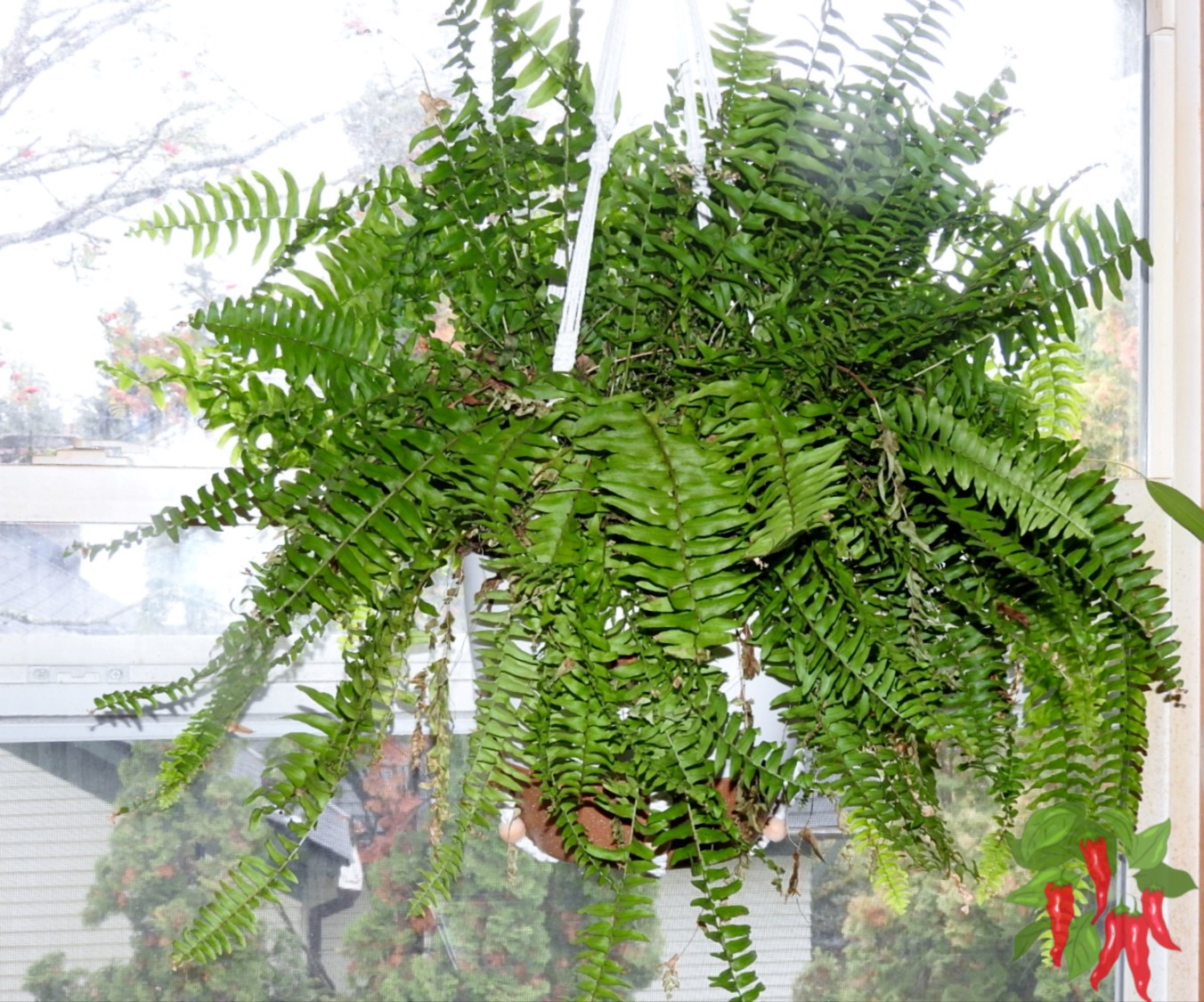
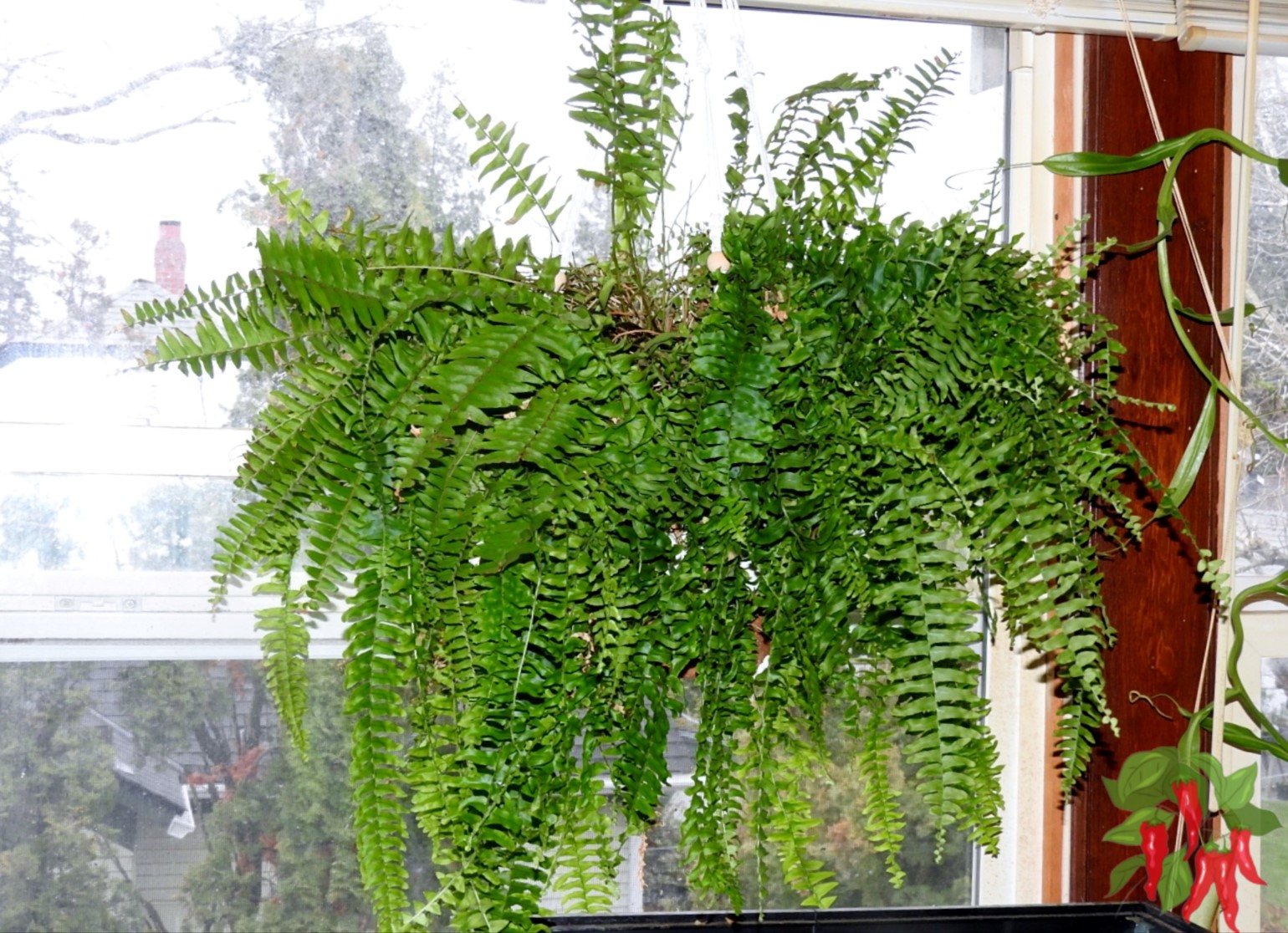
Boston Fern

The Boston Fern is a lush, elegant plant that brings a fresh and calming energy to any space.
Known for its air-purifying qualities and graceful fronds, it’s a fantastic Feng Shui choice for promoting health, positivity, and a peaceful atmosphere in your home.
Feng Shui Benefits
- Promotes Positive Energy: The soft, flowing fronds encourage a gentle, balanced flow of chi.
- Purifies the Air: Removes toxins like formaldehyde and xylene, making your home healthier.
- Supports Health and Well-being: Represents growth and renewal, contributing to a calming environment.
Care Instructions
- Water: Keep the soil consistently moist but not soggy. Mist the leaves regularly to maintain humidity.
- Light: Prefers bright, indirect light but can tolerate partial shade. Avoid direct sunlight, which can scorch the fronds.
- Temperature: Thrives in temperatures between 65–75°F. Protect from cold drafts or extreme heat.
- Humidity: Requires high humidity, making it an excellent choice for bathrooms or kitchens.
Best Placement
-
- Living Room: Place in a hanging basket or a decorative pot to enhance energy flow.
- Bathroom: Its love for humidity makes it a great fit for this space, where it also purifies the air.
- Bedroom: Position near a window to create a serene and healthy sleeping environment.
3. Plants for Love and Relationships
Plants can do more than decorate your space—they can also nurture your connections.
In Feng Shui, certain plants are believed to attract love, strengthen relationships, and promote harmony in your home.
Whether you’re looking to deepen bonds or invite new romance, these plants can set the perfect mood.
Gardenia
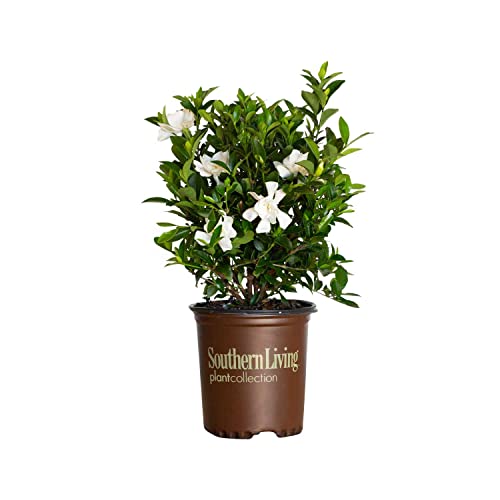
Gardenia is a fragrant and elegant plant that symbolizes love, harmony, and peace in Feng Shui.
Its creamy white flowers and lush green foliage make it a beautiful addition to any home.
Known for its soothing scent, Gardenias promotes emotional balance and strengthens connections.
Feng Shui Benefits
- Symbolizes Love and Devotion: Encourages harmony and intimacy in relationships.
- Promotes Peace and Calm: Its fragrance and presence create a relaxing and uplifting atmosphere.
- Enhances Positive Energy: Clears negativity and fosters a nurturing environment.
Care Instructions
- Water: Keep the soil consistently moist but not soggy. Water when the top inch of soil feels dry.
- Light: Thrives in bright, indirect sunlight. Direct sunlight can be tolerated in the morning, but avoid harsh afternoon rays.
- Temperature: Prefers temperatures between 65–75°F. Protect from drafts and sudden temperature changes.
- Humidity: Requires high humidity. Mist regularly or place near a humidifier to keep the plant healthy.
Best Placement
- Bedroom: Position near a window to promote love and emotional intimacy.
- Living Room: Place in a central area to create harmony among family members.
- Southwest Corner: Align with the Feng Shui relationship area to enhance love and connection.
Camellia

Camellia is a stunning plant with glossy leaves and vibrant blooms that symbolize love, devotion, and admiration in Feng Shui.
Its elegant flowers radiate positive energy, making it an ideal choice for fostering harmonious relationships and deepening emotional connections.
Feng Shui Benefits
- Symbolizes Love and Passion: Enhances romantic energy and strengthens bonds in relationships.
- Promotes Harmony: Its balanced, symmetrical blooms encourage emotional balance and peace.
- Encourages Joy and Positivity: Brings uplifting energy and beauty to your space.
Care Instructions
- Water: Keep the soil evenly moist but not soggy. Allow the top inch of soil to dry slightly between waterings.
- Light: Prefers bright, indirect light. Avoid direct sunlight, which can scorch its leaves.
- Temperature: Thrives in temperatures between 60–70°F. Protect from drafts and extreme heat.
- Humidity: Enjoys moderate to high humidity. Mist occasionally or place near other plants to maintain moisture.
Best Placement
- Bedroom: Position near a window to promote love and intimacy in relationships.
- Living Room: Place in a well-lit area to enhance harmony among family members.
- Southwest Corner: Align with the Feng Shui relationship area for maximum romantic and emotional energy.
Begonia

Begonias are colorful and versatile plants that bring beauty and joy into any space.
In Feng Shui, they symbolize harmony, gratitude, and positive relationships, making them an excellent choice for enhancing love and connection in your home.
Feng Shui Benefits
- Promotes Harmony: Their vibrant blooms and lush foliage encourage peaceful and balanced relationships.
- Symbolizes Gratitude: Associated with appreciation and kindness, they nurture emotional bonds.
- Encourages Positivity: Adds cheerful energy to any room, uplifting the mood and fostering connection.
Care Instructions
- Water: Keep the soil evenly moist but not soggy. Allow the top inch of soil to dry out between waterings.
- Light: Thrives in bright, indirect light. Avoid direct sunlight, which can scorch the delicate leaves and flowers.
- Temperature: Prefers temperatures between 65–75°F. Protect from cold drafts and extreme heat.
- Humidity: Enjoys moderate to high humidity. Mist occasionally or place near a humidifier in dry climates.
Best Placement
- Living Room: Place on a windowsill or table to foster harmony and joy among family members.
- Bedroom: Position near a window to encourage love and intimacy.
- Southwest Corner: Aligns with the Feng Shui relationship area, amplifying love and gratitude.
Hydrangea

Hydrangeas are beloved for their large, lush blooms and vibrant colors.
In Feng Shui, they symbolize gratitude, harmony, and heartfelt connections, making them a beautiful addition to spaces where love and relationships are nurtured.
Their soft, rounded blooms bring warmth and balance to your home.
Feng Shui Benefits
- Symbolizes Gratitude and Understanding: Enhances emotional connections and fosters harmony in relationships.
- Encourages Positive Communication: Promotes thoughtful expression and deeper emotional bonds.
- Radiates Balance and Beauty: Adds gentle energy that soothes and uplifts your space.
Care Instructions
- Water: Keep the soil consistently moist but not soggy. Hydrangeas are thirsty plants and may need more frequent watering in dry conditions.
- Light: Prefers bright, indirect light. Morning sun is ideal, but avoid harsh afternoon rays that can scorch the blooms.
- Temperature: Thrives in temperatures between 60–75°F. Protect from frost or extreme heat.
- Soil: Use well-draining, slightly acidic soil to support healthy growth and vibrant blooms.
Best Placement
- Living Room: Position in a central spot to foster harmony and warmth among family members.
- Bedroom: Place near a window to encourage emotional intimacy and understanding.
- Southwest Corner: Align with the Feng Shui relationship area to amplify gratitude and loving energy.
African Violet

The African Violet is a charming plant with delicate, velvety blooms that symbolize love and nurturing.
Its compact size and vibrant flowers make it an excellent choice for fostering warm connections and harmony in relationships.
Feng Shui Benefits
- Promotes Love and Harmony: Its gentle energy encourages emotional balance and strengthens bonds.
- Symbolizes Loyalty and Devotion: The vibrant blooms represent care and commitment.
- Encourages Positive Energy: Adds a soothing and joyful atmosphere to your space.
Care Instructions
- Water: Water from the base to avoid wetting the leaves, and let the soil dry slightly between waterings.
- Light: Prefers bright, indirect light. Avoid direct sunlight, as it can damage the delicate leaves and flowers.
- Temperature: Thrives in temperatures between 65–75°F. Keep it away from cold drafts.
- Humidity: Appreciates moderate to high humidity. Place near a humidifier or group with other plants for moisture.
Best Placement
- Bedroom: Place on a nightstand or windowsill to encourage love and intimacy.
- Living Room: Position on a table or shelf to enhance harmony and connection among family members.
- Southwest Corner: Perfect for the Feng Shui relationship area to amplify love and nurturing energy.
Peonies

Peonies, with their lush, fragrant blooms, are a timeless symbol of love, romance, and beauty in Feng Shui.
These stunning flowers are perfect for creating a warm, inviting energy that fosters emotional connections and harmony, making them an excellent choice for bedrooms or relationship-focused areas.
Feng Shui Benefits
- Symbolizes Love and Romance: Peonies are often associated with deep affection and passionate relationships.
- Promotes Emotional Balance: Their soft, abundant blooms encourage nurturing energy and harmony.
- Uplifts Energy: Adds vibrant, joyful energy to your space, fostering positive interactions.
Care Instructions
- Water: Keep the soil consistently moist but not soggy. Water when the top inch of soil feels dry.
- Light: Thrives in bright, indirect light. Morning sunlight is ideal, but protect it from harsh afternoon rays.
- Temperature: Prefers temperatures between 60–75°F. Protect from drafts and extreme temperature changes.
- Soil: Use nutrient-rich, well-draining soil to support healthy growth and blooming.
Best Placement
- Bedroom: Place near a window to inspire love and intimacy in your relationships.
- Living Room: Position in a central spot to encourage harmony and warmth among family members.
- Southwest Corner: Perfect for aligning with the Feng Shui love and relationship area to amplify romantic energy.
Orchids

Orchids are elegant and timeless symbols of love and beauty. In Feng Shui, they represent harmony, fertility, and the nurturing of relationships.
With their stunning blooms and long-lasting nature, Orchids are the perfect plant to bring a sense of romance and balance into your home.
Feng Shui Benefits
- Promotes Love and Harmony: Orchids enhance relationships and invite loving energy into your space.
- Symbolizes Fertility: Often associated with growth and creation, making them ideal for couples or families.
- Boosts Positive Energy: Their vibrant blooms radiate joy and encourage connection.
Care Instructions
- Water: Water once a week, allowing excess water to drain completely. Orchids prefer their roots to dry slightly between waterings.
- Light: Thrive in bright, indirect light. Avoid direct sunlight, which can scorch the delicate flowers.
- Temperature: Prefer temperatures between 60–75°F, with slightly cooler nights to mimic their natural environment.
- Humidity: High humidity is key, so mist regularly or place a tray of water nearby to maintain moisture.
Best Placement
-
- Bedroom: Place on a nightstand or dresser to encourage love and intimacy.
- Living Room: Position in a central spot to enhance harmony among family members.
- Southwest Corner: In Feng Shui, this area represents love and relationships, making it a perfect home for an Orchid.
Jasmine

Jasmine is a fragrant and delicate plant that’s highly valued in Feng Shui for its association with love, romance, and positivity.
Its sweet aroma and lovely flowers create a soothing atmosphere, making it a great choice for fostering connections and enhancing emotional well-being.
Feng Shui Benefits
- Attracts Love and Romance: Jasmine is known for inviting passionate and harmonious energy into relationships.
- Encourages Positivity: Its uplifting scent helps to reduce stress and create a joyful environment.
- Strengthens Bonds: Symbolizes nurturing and caring, making it ideal for deepening connections.
Care Instructions
- Water: Keep the soil evenly moist, but avoid overwatering. Let the top inch of soil dry out slightly between waterings.
- Light: Prefers bright, indirect sunlight. It can tolerate some direct sunlight, especially in the morning.
- Temperature: Thrives in temperatures between 60–75°F and should be kept away from cold drafts.
- Humidity: Enjoys moderate to high humidity, so mist the leaves regularly or use a humidifier in dry climates.
Best Placement
-
- Bedroom: Place near a window to fill the space with its calming fragrance and promote intimacy.
- Living Room: Position in a shared space to enhance harmony and bring a relaxing vibe.
- Southwest Corner: Aligns with the Feng Shui relationship area, making it ideal for inviting love and connection.
Caring for Jasmine Indoors: Growth Tips & Feng Shui Placement
Philodendron

Philodendrons, with their lush, heart-shaped leaves, are a perfect symbol of love and growth in Feng Shui.
Known for their vibrant energy and easy-care nature, these plants are excellent for creating a warm and inviting atmosphere while fostering emotional connections.
Feng Shui Benefits
- Symbolizes Love and Affection: The heart-shaped leaves represent deep bonds and nurturing relationships.
- Encourages Growth: Promotes personal and emotional development in your home.
- Purifies Energy: Helps to clear negativity and maintain a harmonious space.
Care Instructions
- Water: Water when the top inch of soil is dry. Be cautious not to overwater, as Philodendrons prefer slightly moist soil.
- Light: Thrives in bright, indirect light but tolerates low-light conditions, making it versatile for any room.
- Temperature: Prefers temperatures between 65–80°F. Avoid placing near cold drafts or direct heat sources.
- Humidity: Appreciates moderate humidity but adapts well to typical indoor conditions.
Best Placement
-
- Living Room: Place in a bright corner or on a shelf to fill the space with positive energy.
- Bedroom: Ideal for creating a cozy, love-filled atmosphere.
- Southwest Corner: Aligns with the Feng Shui love and relationships area for maximum harmony.
Hibiscus

Hibiscus, with its vibrant, showy blooms, is a symbol of joy, passion, and love in Feng Shui.
This tropical beauty is perfect for bringing warmth and vitality into your home while fostering connections and uplifting the energy of your space.
Feng Shui Benefits
- Represents Passion and Love: Its bold flowers radiate energy that inspires romance and connection.
- Attracts Positive Energy: The bright, cheerful blooms uplift the mood and create a joyful environment.
- Encourages Vitality: Symbolizes life and growth, supporting a lively and harmonious atmosphere.
Care Instructions
- Water: Keep the soil evenly moist but not waterlogged. Hibiscus prefers consistent watering, especially during blooming periods.
- Light: Requires bright, direct sunlight for several hours a day to thrive and produce blooms.
- Temperature: Thrives in warm conditions between 65–85°F. Protect it from cold drafts or frost.
- Humidity: Prefers high humidity levels. Mist the leaves or place near a humidifier to keep it happy.
Best Placement
-
- Living Room: Position in a sunny spot to fill the space with its vibrant energy.
- Southwest Corner: Perfect for enhancing the Feng Shui relationship area with warmth and romance.
- Balcony or Patio: If you have an outdoor space, it’s a beautiful addition for bringing love and joy into your environment.
4. Plants for Health and Well-being
Plants aren’t just about decoration—they can also boost your physical and mental health.
In Feng Shui, certain plants are believed to promote vitality, cleanse the air, and create a peaceful environment.
Adding these plants to your home helps support a balanced, healthy lifestyle while enhancing the energy around you.
Lavender

Lavender is a soothing and aromatic plant that’s cherished for its calming energy and health benefits.
In Feng Shui, it’s a symbol of relaxation and balance, making it perfect for creating a peaceful and restorative atmosphere in your home.
Feng Shui Benefits
- Promotes Relaxation: Known for its calming scent, Lavender helps reduce stress and encourages restful sleep.
- Encourages Emotional Balance: Its gentle energy fosters a sense of tranquility and clarity.
- Supports Health and Vitality: Associated with cleansing and renewal, both physically and energetically.
Care Instructions
- Water: Allow the soil to dry out slightly between waterings. Overwatering can lead to root rot.
- Light: Prefers full sun and needs at least 6 hours of bright, direct light daily.
- Temperature: Thrives in temperatures between 60–75°F and should be kept away from cold drafts.
- Soil: Use well-draining soil, such as a sandy or loamy mix, to mimic its natural habitat.
Best Placement
-
- Bedroom: Place near your bed to promote relaxation and restful sleep.
- Living Room: Position in a sunny spot to create a calming and uplifting energy.
- Meditation Area: Perfect for enhancing a space dedicated to mindfulness and well-being.
Rosemary

Rosemary is a fragrant herb known for its invigorating scent and healing properties.
In Feng Shui, it’s associated with cleansing and strengthening energy, making it a wonderful plant for promoting health, focus, and vitality in your home.
Feng Shui Benefits
- Encourages Clarity and Focus: Its stimulating aroma enhances mental clarity and concentration.
- Supports Health and Vitality: Symbolizes strength and renewal, promoting physical and emotional well-being.
- Cleanses Negative Energy: Believed to purify spaces and foster a harmonious environment.
Care Instructions
- Water: Allow the soil to dry out slightly between waterings. Rosemary prefers well-drained soil and dislikes being waterlogged.
- Light: Thrives in bright, direct sunlight for at least 6–8 hours daily.
- Temperature: Prefers temperatures between 65–80°F and does not tolerate frost.
- Soil: Use well-draining soil, such as a sandy mix, to keep the roots healthy.
Best Placement
-
- Kitchen: Perfect for keeping fresh herbs within reach and enhancing the energy of a shared cooking space.
- Living Room: Place near a sunny window to invigorate the energy of the room.
- Home Office: Position on your desk or a nearby shelf to boost focus and productivity.
Chrysanthemums
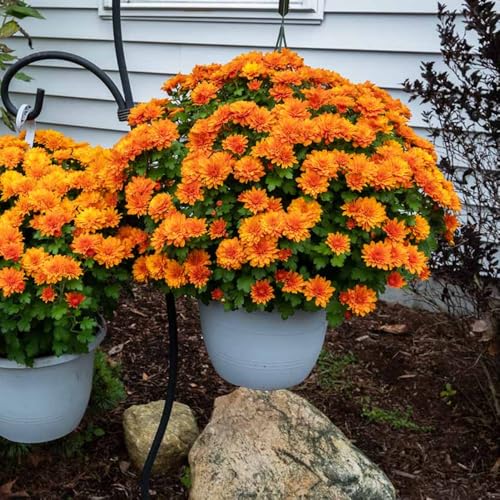
Chrysanthemums are cheerful and vibrant flowers that symbolize longevity, vitality, and balance in Feng Shui.
Known for their uplifting energy and beauty, they are perfect for enhancing health and well-being in your home while bringing a sense of joy and harmony to your space.
Feng Shui Benefits
- Represents Longevity: Associated with a long and healthy life, making them a symbol of vitality.
- Promotes Positive Energy: Their bright, lively blooms uplift the mood and encourage happiness.
- Balances Energy: Helps to harmonize the flow of chi, creating a peaceful environment.
Care Instructions
- Water: Keep the soil consistently moist but not soggy. Water thoroughly when the top inch of soil feels dry.
- Light: Prefers bright, indirect sunlight but can tolerate some direct morning sun.
- Temperature: Thrives in temperatures between 60–70°F. Protect from frost or extreme heat.
- Soil: Use well-draining soil enriched with organic matter to encourage healthy blooms.
Best Placement
-
- Living Room: Place in a central spot to fill the space with their uplifting energy.
- Balcony or Patio: Great for outdoor areas where they can attract vibrant, positive energy.
- Southwest Corner: Aligns with health and family well-being in Feng Shui principles.
Basil

Basil is a fragrant herb often associated with protection, purification, and good health in Feng Shui.
Its fresh scent and vibrant leaves make it a fantastic addition to any home.
Known for its healing and calming properties, Basil is a wonderful plant for promoting balance and well-being.
Feng Shui Benefits
- Cleanses Negative Energy: Basil is believed to absorb negative vibes, creating a harmonious environment.
- Symbolizes Protection: Helps safeguard your home’s energy and foster a sense of security.
- Encourages Vitality: Associated with renewal and overall health, it supports physical and emotional well-being.
Care Instructions
- Water: Keep the soil moist but not soggy. Water when the top inch of soil feels dry.
- Light: Thrives in bright, indirect sunlight. It can tolerate some direct sunlight, especially in the morning.
- Temperature: Prefers temperatures between 65–85°F. Avoid exposing it to frost or drafts.
- Soil: Use nutrient-rich, well-draining soil to encourage healthy growth.
Best Placement
-
- Kitchen: Perfect for freshening up meals and maintaining a positive energy flow in a shared space.
- Living Room: Place in a sunny spot to fill the room with its refreshing energy.
- Balcony or Patio: An excellent choice for adding vitality and protection to outdoor areas.
Chinese Evergreen

The Chinese Evergreen is a popular Feng Shui plant known for its ability to thrive in low light and its association with longevity and resilience.
Its attractive, patterned leaves bring a soothing energy to your space, making it an excellent choice for enhancing health and well-being in your home.
Feng Shui Benefits
- Symbolizes Longevity: It represents resilience and vitality, making it a perfect plant for promoting good health.
- Purifies Energy: Known to filter toxins and improve air quality, contributing to a balanced environment.
- Encourages Positivity: Its calming presence fosters harmony and reduces stress.
Care Instructions
- Water: Allow the top inch of soil to dry out between waterings. Avoid overwatering, as this plant prefers slightly dry conditions.
- Light: Thrives in low to medium indirect light. Avoid direct sunlight, which can scorch its delicate leaves.
- Temperature: Prefers temperatures between 65–80°F and doesn’t tolerate cold drafts.
- Humidity: Enjoys moderate humidity but adapts well to typical indoor conditions.
Best Placement
-
- Living Room: Place in a low-light corner to improve energy flow and air quality.
- Bedroom: Ideal for creating a peaceful and calming atmosphere for restful sleep.
- Bathrooms: Its adaptability makes it a great fit for humid spaces, helping to purify the air.
Tulsi (Holy Basil)

Tulsi Holy Basil is revered for its spiritual and medicinal properties. In Feng Shui, Tulsi represents purification, protection, and vitality.
Its sacred energy makes it an excellent plant for promoting health and well-being while fostering a peaceful and harmonious environment.
Feng Shui Benefits
- Purifies and Protects: Believed to cleanse negative energy and create a spiritually uplifting atmosphere.
- Promotes Health: Symbolizes vitality and supports both physical and emotional well-being.
- Encourages Serenity: Helps reduce stress and instills a sense of calm and clarity.
Care Instructions
- Water: Keep the soil consistently moist but not soggy. Water when the top inch of soil feels dry.
- Light: Thrives in bright, direct sunlight for at least 4–6 hours daily.
- Temperature: Prefers warm temperatures between 70–85°F. Protect from frost or cold drafts.
- Soil: Use well-draining, nutrient-rich soil to encourage healthy growth.
Best Placement
- Kitchen: Ideal for culinary use and maintaining a positive energy flow in a shared space.
- Meditation Area: Place near a quiet space for mindfulness and reflection to enhance spiritual energy.
- Balcony or Patio: Perfect for outdoor spaces where it can receive abundant sunlight and spread its calming energy.
Banana Plant

The Banana Plant, with its large, lush leaves, brings a tropical vibe and vibrant energy to any space.
In Feng Shui, it’s associated with vitality, abundance, and overall well-being. Its impressive size and cheerful presence make it a powerful addition to your home.
Feng Shui Benefits
- Symbolizes Abundance: Represents growth, prosperity, and plentiful energy.
- Promotes Vitality: Its lush green leaves exude life and freshness, enhancing health and well-being.
- Balances Energy: Ideal for filling empty spaces and harmonizing the flow of chi.
Care Instructions
- Water: Keep the soil consistently moist but not waterlogged. Water thoroughly when the top inch of soil feels dry.
- Light: Thrives in bright, indirect light but can handle some direct sunlight. Ensure it gets plenty of light to stay healthy.
- Temperature: Prefers warm conditions between 65–80°F. Protect from cold drafts and frost.
- Humidity: Enjoys high humidity. Mist the leaves regularly or place them near a humidifier in drier environments.
Best Placement
- Living Room: Position in a spacious, well-lit corner to uplift the energy and bring vitality to the space.
- Dining Room: Perfect for adding a sense of abundance and connection in shared spaces.
- Balcony or Patio: If you have an outdoor area, the Banana Plant thrives in warm, sunny spots, adding a tropical touch.
Cast Iron Plant

The Cast Iron Plant is a symbol of resilience and strength, making it a wonderful addition to your home.
Known for its ability to thrive with minimal care, this hardy plant is perfect for promoting stability, balance, and good health in Feng Shui.
Feng Shui Benefits
- Symbolizes Strength and Endurance: This represents resilience, making it ideal for creating a supportive and grounded energy.
- Improves Air Quality: Filters toxins from the air, contributing to a healthier and more harmonious environment.
- Balances Energy: Helps stabilize chi, especially in areas that feel unsettled or stagnant.
Care Instructions
- Water: Allow the soil to dry out slightly between waterings. Overwatering can lead to root rot.
- Light: Thrives in low to medium indirect light. Avoid direct sunlight, which can damage its leaves.
- Temperature: Prefers temperatures between 60–75°F. Protect from frost and cold drafts.
- Soil: Use well-draining potting soil to maintain healthy roots.
Best Placement
- Living Room: Place in a corner to help ground the energy and create a balanced atmosphere.
- Hallways: Ideal for areas with low light to enhance the flow of positive chi.
- Bedrooms: Its calming presence promotes restful sleep and a supportive environment.
Sage

Sage is a powerful herb known for its cleansing and protective properties in Feng Shui.
With its fragrant leaves and purifying energy, Sage is ideal for clearing negativity and promoting health and harmony in your home.
It’s also valued for its culinary and medicinal benefits.
Feng Shui Benefits
- Cleanses Negative Energy: Known for its ability to remove stagnant or harmful energy from your space.
- Symbolizes Health and Vitality: Promotes physical and emotional well-being.
- Encourages Clarity: Helps foster a peaceful and focused environment.
Care Instructions
- Water: Allow the soil to dry out slightly between waterings. Sage prefers well-drained soil and dislikes being overwatered.
- Light: Thrives in bright, direct sunlight. Ensure it gets at least 6 hours of sun daily for optimal growth.
- Temperature: Prefers warm conditions between 65–80°F. Protect from frost or sudden temperature changes.
- Soil: Use well-draining soil with good airflow to keep the roots healthy.
Best Placement
- Kitchen: Perfect for culinary use and to maintain a positive energy flow in a shared space.
- Living Room: Position near a sunny window to purify the energy and uplift the atmosphere.
- Meditation Area: Place in spaces dedicated to mindfulness or reflection for added clarity and calm.
5. Plants for Career and Growth
In Feng Shui, certain plants are believed to support personal and professional growth by fostering determination, focus, and resilience.
These plants can boost motivation, clear stagnant energy, and create an environment that inspires success.
Perfect for home offices or study areas, they help set the stage for achieving your goals.
ZZ Plant

The ZZ Plant is a hardy and elegant choice known for its glossy, waxy leaves and ability to thrive in almost any condition.
In Feng Shui, it symbolizes growth, prosperity, and resilience, making it a perfect plant for fostering career success and personal development.
Feng Shui Benefits
- Promotes Career Growth: Its upward-growing stems symbolize progress and reaching new heights.
- Attracts Prosperity: Associated with wealth and financial success, it’s often placed in offices for good fortune.
- Cleanses Negative Energy: Helps clear stagnant energy, fostering clarity and focus.
Care Instructions
- Water: Allow the soil to dry out completely between waterings. The ZZ Plant is drought-tolerant and doesn’t like sitting in water.
- Light: Thrives in low to bright indirect light. Avoid direct sunlight, which can burn its leaves.
- Temperature: Prefers temperatures between 60–75°F. Keep it away from cold drafts or extreme heat.
- Soil: Use a well-draining potting mix to prevent water retention.
Best Placement
-
- Home Office: Place near your desk to encourage productivity and focus.
- Wealth Corner: Position in the southeast area of your home to attract financial success.
- Entryway: Use near the front door to invite good fortune and positive energy into your space.
Fiddle Leaf Fig

The Fiddle Leaf Fig, with its large, dramatic leaves, is a standout plant that brings vibrant energy to any space.
In Feng Shui, it’s known for promoting personal and professional growth, making it an excellent choice for supporting ambition and success in your career and life goals.
Feng Shui Benefits
- Symbolizes Growth and Achievement: Its upward-growing structure represents progress and reaching new milestones.
- Attracts Positive Energy: Its bold presence uplifts the energy of any room, creating a motivating environment.
- Encourages Balance: Helps harmonize energy in larger spaces, keeping chi flowing smoothly.
Care Instructions
- Water: Allow the top inch of soil to dry out between waterings. Overwatering can lead to root rot, so ensure the pot has proper drainage.
- Light: Prefers bright, indirect light. It thrives near large windows but avoids direct sunlight, which can scorch its leaves.
- Temperature: Thrives in temperatures between 65–75°F. Keep it away from cold drafts or heat sources.
- Humidity: Enjoys moderate humidity. Mist the leaves occasionally, or use a humidifier if the air is dry.
Best Placement
-
- Home Office: Place in a bright corner to inspire focus and professional growth.
- Living Room: Use as a focal point to uplift the room’s energy and encourage harmony.
- Entryway: Position near the entrance to create a bold, welcoming statement that invites positive energy.
Dracaena fragrans

Dracaena, with its tall, slender stems and striking foliage, is a powerful plant for promoting growth and focus.
In Feng Shui, it’s associated with strength and resilience, making it a perfect companion for anyone seeking to advance their career or achieve personal milestones.
Feng Shui Benefits
- Symbolizes Strength and Resilience: Its upright growth pattern represents determination and perseverance.
- Cleanses Negative Energy: Known for removing toxins from the air, it creates a healthier and more focused environment.
- Encourages Career Growth: Enhances focus and clarity, helping you stay on track with your goals.
Care Instructions
- Water: Water when the top inch of soil feels dry. Dracaena prefers slightly dry conditions and doesn’t like sitting in water.
- Light: Thrives in bright, indirect light but tolerates lower light conditions. Avoid direct sunlight, which can damage its leaves.
- Temperature: Prefers temperatures between 65–80°F. Protect from cold drafts and sudden temperature changes.
- Humidity: Enjoys moderate humidity. Mist occasionally, or use a humidifier if the air is very dry.
Best Placement
-
- Home Office: Place near your workspace to enhance focus and productivity.
- Living Room: Position in a corner to maintain a balanced energy flow throughout the space.
- Entryway: Use near the entrance to create a welcoming and motivating vibe for everyone who enters.
Dragon Tree (Dracaena marginata)

The Dragon Tree, with its striking upright stems and sword-like leaves, is a symbol of strength and determination in Feng Shui.
Its unique appearance and air-purifying qualities make it an excellent choice for promoting focus, resilience, and steady progress in your career and personal growth.
Feng Shui Benefits
- Symbolizes Strength and Perseverance: Encourages determination and the ability to overcome challenges.
- Boosts Career Success: Supports ambition and goal-setting, making it ideal for workspaces.
- Purifies Energy: Removes toxins and fosters a focused, productive environment.
Care Instructions
- Water: Allow the soil to dry slightly between waterings. Overwatering can cause root rot, so ensure good drainage.
- Light: Prefers bright, indirect light but can tolerate lower light conditions. Avoid direct sunlight, which can scorch its leaves.
- Temperature: Thrives in temperatures between 65–80°F. Keep it away from cold drafts or excessive heat.
- Soil: Use a well-draining potting mix to keep the roots healthy.
Best Placement
- Home Office: Position near your workspace to promote focus and career advancement.
- Living Room: Place in a corner to enhance the flow of positive energy.
- Entryway: Use near the entrance to symbolize resilience and welcome motivating energy into your space.
Coffee Plant
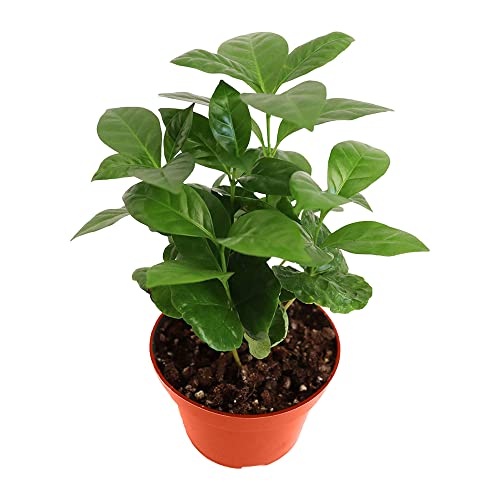
The Coffee Plant is a symbol of energy and inspiration in Feng Shui, making it an excellent choice for workspaces and creative areas.
Its glossy, deep-green leaves and ability to produce coffee beans represent productivity, growth, and a steady flow of positive energy.
Feng Shui Benefits
- Promotes Productivity: Encourages focus and energy, perfect for work or study spaces.
- Symbolizes Growth: Represents steady progress in career and personal endeavors.
- Purifies Energy: Its vibrant leaves help maintain a balanced and uplifting environment.
Care Instructions
- Water: Keep the soil consistently moist but not soggy. Water when the top inch of soil feels dry.
- Light: Prefers bright, indirect sunlight. Avoid direct sunlight, which can scorch its leaves.
- Temperature: Thrives in temperatures between 65–75°F. Keep it away from cold drafts or extreme heat.
- Humidity: Requires moderate to high humidity. Mist the leaves regularly or use a humidifier in drier climates.
Best Placement
- Home Office: Place near your workspace to inspire focus and productivity.
- Living Room: Position in a well-lit area to enhance the energy flow and add vitality.
- Kitchen: Perfect for a cozy touch and to inspire energy in a shared space.
Ficus Benjamina

The Ficus, with its elegant structure and lush green leaves, is a popular Feng Shui plant for fostering calmness and growth.
Known for its ability to create a serene and focused atmosphere, it’s an ideal choice for those looking to nurture personal and professional success.
Feng Shui Benefits
- Supports Growth and Progress: Its steady, upright growth symbolizes ambition and advancement.
- Creates Calm and Balance: Helps reduce stress and encourages a peaceful environment.
- Purifies Energy: Known for improving air quality and maintaining positive chi in your space.
Care Instructions
- Water: Water when the top inch of soil is dry. Be consistent but avoid overwatering, as Ficus plants dislike soggy roots.
- Light: Thrives in bright, indirect light but can tolerate partial shade. Avoid direct sunlight, which can scorch its leaves.
- Temperature: Prefers temperatures between 65–75°F. Keep it away from drafts or temperature extremes.
- Humidity: Appreciates moderate humidity. Mist the leaves occasionally, especially in drier climates.
Best Placement
-
- Home Office: Place near your desk to enhance focus and career growth.
- Living Room: Position in a corner to create a serene and balanced atmosphere.
- Entryway: Use near the front door to invite calm and positive energy into your home.
6. Special Symbolic Plants
Some plants hold unique symbolism in Feng Shui, representing specific qualities like purity, spiritual growth, and good fortune.
These plants go beyond aesthetics, carrying deeper meanings that can enhance the energy of your home.
Adding these symbolic plants creates a space filled with intention, positivity, and balance.
Lotus

The Lotus is a deeply spiritual and meaningful plant in Feng Shui, symbolizing purity, enlightenment, and rebirth.
Its ability to rise and bloom beautifully from muddy waters is a powerful representation of resilience and spiritual growth.
This sacred plant brings a sense of peace and divine energy into any space.
Feng Shui Benefits
- Symbolizes Purity and Enlightenment: Represents clarity and spiritual awakening, even in challenging conditions.
- Encourages Harmony and Balance: Its serene energy fosters peace and positivity in your environment.
- Inspires Growth and Renewal: A reminder of personal transformation and overcoming obstacles.
Care Instructions
- Water: Grown in water or very moist soil, Lotus plants require consistent watering. Ensure the water is clean and refreshed regularly.
- Light: Requires full sun for at least 6–8 hours daily to thrive and bloom.
- Temperature: Prefers warm temperatures above 75°F. Protect from frost or cold weather.
- Container: If grown indoors, use a shallow container with ample space for roots to spread.
Best Placement
-
- Meditation Area: Perfect for enhancing spiritual energy and focus in spaces dedicated to mindfulness and reflection.
- Living Room: Place near a water feature or in a well-lit area to inspire harmony and balance.
- Entryway: Use to symbolize renewal and welcome purity and peace into your home.
Narcissus

The Narcissus is a graceful and elegant plant known for its delicate, fragrant blooms.
In Feng Shui, it is a symbol of good luck, prosperity, and career success. Its uplifting energy makes it a meaningful addition to spaces where focus and growth are desired.
Feng Shui Benefits
- Encourages Career Success: Often associated with recognition and achievement in professional life.
- Symbolizes Prosperity: Represents abundance and the potential for financial growth.
- Promotes Positivity: Its cheerful blooms bring uplifting energy and optimism to your space.
Care Instructions
- Water: Keep the soil evenly moist but not waterlogged. If grown in water, ensure the bulb’s base is just touching the water.
- Light: Thrives in bright, indirect light. Avoid harsh direct sunlight, which can damage the flowers.
- Temperature: Prefers cooler temperatures between 50–65°F to encourage blooming.
- Support: Use a shallow dish with pebbles if growing in water to stabilize the bulbs.
Best Placement
-
- Home Office: Place on a desk or nearby shelf to inspire focus and career advancement.
- Living Room: Position in a central area to encourage harmony and optimism among family members.
- Wealth Corner: Align with the southeast area to promote financial success and prosperity.
Palm

Palms, with their tall, elegant fronds, are cherished in Feng Shui for their ability to bring vibrant energy and good fortune into a space.
Known for their adaptability and calming presence, palms are symbols of resilience, success, and positive growth, making them a meaningful addition to any home.
Feng Shui Benefits
- Symbolizes Success and Resilience: Represents steady growth and the ability to overcome challenges.
- Attracts Good Fortune: Associated with prosperity and positive energy flow.
- Purifies Energy: Improves air quality and promotes a harmonious atmosphere.
Care Instructions
- Water: Allow the top inch of soil to dry out between waterings. Avoid overwatering, as palms prefer slightly moist but not soggy soil.
- Light: Thrives in bright, indirect light but tolerates lower light conditions. Direct sunlight can scorch the leaves.
- Temperature: Prefers temperatures between 65–75°F. Keep it away from cold drafts or extreme heat.
- Humidity: Enjoys moderate to high humidity. Mist the leaves occasionally or use a humidifier in dry climates.
Best Placement
-
- Living Room: Position in a well-lit corner to enhance energy flow and create a relaxing atmosphere.
- Entryway: Place near the front door to welcome prosperity and positive energy into your home.
- Office: Use them in workspaces to purify the air and foster a calm, focused environment.
Special Feng Shui Arrangements
Combining plants in specific ways can amplify their energy and create a more balanced and harmonious environment.
Whether you’re looking to attract wealth or balance the five Feng Shui elements, thoughtful plant arrangements can make a big difference in how energy flows in your space.
Here’s how to create meaningful arrangements that align with Feng Shui principles.
How to Combine Plants for Wealth and Prosperity
Certain plants are believed to attract wealth and abundance, and combining them strategically can strengthen their impact.
Here are a few ways to pair plants to enhance prosperity:
- Lucky Bamboo + Money Tree: Place a Lucky Bamboo and a Money Tree together in the southeast corner (the wealth corner) of your home or office to amplify financial growth and success.
- Jade Plant + Orchids: The rounded leaves of the Jade Plant symbolize wealth, while Orchids represent abundance and creativity. Position them near the entrance or in a bright living room corner to invite prosperity.
- Citrus Tree + Rubber Plant: A vibrant Citrus Tree paired with a Rubber Plant can symbolize steady growth and financial stability. Place them in well-lit areas where they can thrive and energize your space.
Arranging Plants to Balance Feng Shui Elements: Wood, Fire, Earth, Metal, Water
In Feng Shui, balancing the five elements is key to creating harmony in your home.
Plants can represent multiple elements depending on their characteristics. Here’s how to use plants to balance these energies:
- Wood: Plants with tall, upward growth, like Bamboo Palm or Fiddle Leaf Fig, represent the wood element, symbolizing vitality and growth. Use these in the East or Southeast to enhance health and prosperity.
- Fire: Brightly colored plants like Bromeliads or Peonies bring the fiery energy of passion and transformation. Position them in the South for recognition and fame.
- Earth: Grounding plants like Jade Plants or Cast Iron Plants represent stability and nourishment. Place these in the southwest or northeast for love, relationships, and knowledge.
- Metal: Plants with rounded leaves, such as Chinese Evergreen or Rubber Plants, represent the metal element, fostering clarity and focus. Use these in the west or northwest for creativity and helpful people.
- Water: Flowing, trailing plants like Pothos or Ivy represent the water element, symbolizing abundance and adaptability. Place them in the north to support career and life path energy.
By thoughtfully arranging plants to align with these principles, you can create a space that feels balanced, energized, and inviting.
FAQs About Feng Shui Plants
Curious about how Feng Shui plants can improve your space? Here are some commonly asked questions to help you understand their benefits, care, and placement.
Q. Can any plant be used for Feng Shui?
A. While any healthy, vibrant plant can uplift your space, certain plants have specific Feng Shui meanings. For example, Lucky Bamboo symbolizes good fortune, while Money Trees are tied to wealth and success. Avoid thorny plants like cacti in Feng Shui arrangements, as they can disrupt energy flow.
Q. Where should I place plants to maximize Feng Shui benefits?
A. Placement depends on your goals. For wealth, use the southeast corner of your home or office. To promote health, focus on the East. To encourage love and relationships, use the southwest corner. Bedrooms, kitchens, and living rooms also benefit from well-placed greenery.
Q. How many plants should I include in a Feng Shui arrangement?
A. There’s no strict rule, but odd numbers are often preferred for their association with balance and growth. Choose an arrangement that feels harmonious without overcrowding your space.
Q. Can I use artificial plants for Feng Shui?
A. While real plants are preferred because of their natural energy, high-quality artificial plants can be used if you’re unable to care for live ones. Just make sure they are clean, vibrant, and placed with intention.
Q. What plants should I avoid for Feng Shui?
A. Avoid plants with sharp or spiky leaves, like cacti, as they can create harsh energy. Dead or unhealthy plants should also be removed, as they can disrupt the flow of positive chi.
Q. How do I care for Feng Shui plants to keep their energy strong?
A. Regularly water, prune, and clean the leaves of your plants to keep them vibrant and healthy. Neglected plants can bring stagnation to your space, so maintaining their well-being is essential for sustaining positive energy.
If you have more questions about Feng Shui plants, feel free to explore or experiment to find what works best for your space!
Conclusion: Embrace the Energy of Feng Shui Plants
Adding Feng Shui plants to your home isn’t just about decoration—it’s about creating a space that nurtures harmony, positivity, and balance.
These plants carry meaningful symbolism and can significantly enhance the energy flow in your environment, helping you feel more connected and at peace.
Recap: The Power of Feng Shui Plants
Feng Shui plants are more than just greenery; they represent prosperity, love, health, and personal growth.
From the calming presence of a Peace Lily to the wealth-attracting energy of a Money Tree, each plant offers unique benefits for your space.
By thoughtfully choosing and placing them, you can create an atmosphere that supports your goals and well-being.
Start Small and Grow with Purpose
If you’re new to Feng Shui plants, don’t feel overwhelmed. Start with a small selection of plants that align with your intentions, maybe a Lucky Bamboo for Prosperity or a Spider Plant for Air Purification.
As you become more comfortable, expand your collection and experiment with placements to see what works best for you.
Whether you’re seeking prosperity, love, or a more balanced environment, Feng Shui plants can transform your space into a haven of positivity and growth.
Take the first step today and watch as these living symbols of harmony enhance your life!
✨ Indoor Plants and Feng Shui
Enhance harmony, balance, and positive energy in your home with these Feng Shui indoor plant guides.
- 🌱 Feng Shui Plants (Pillar Guide)
- 🏡 Indoor Plants and Feng Shui
- 🌿 Feng Shui Vertical Gardens for Office Spaces
- 🌸 Best 24 Feng Shui Indoor Plants
- 💧 Growing Feng Shui Plants
- 🌳 Common Chinese House Plants for Feng Shui
- 🪴 Feng Shui Hanging Plants
- 🛏️ Feng Shui Bedroom Plants
- 🍃 ZZ Plant Feng Shui
- 🌱 Using Feng Shui in Vertical Gardens
- 🎋 Growing Lucky Bamboo in Feng Shui
- 🏠 Indoor Plants for Feng Shui
- ☯️ Indoor Plants for Positive Energy
- 🌼 Chinese Evergreen Care
- 🌺 Growing Peonies Indoors and Outdoors
- See all articles in our Indoor Plants and Feng Shui category
Pet-Safe Indoor Plants: Green Buddies for You and Your Furry Friends!
https://heavenlyhouseplants.com/watering-indoor-plants
Related Content

Visit my Amazon Influencer Page for videos and gardening products Grow Your Own Garden