
This post contains affiliate links. If you buy something from one of our links we may earn a commission. Thanks
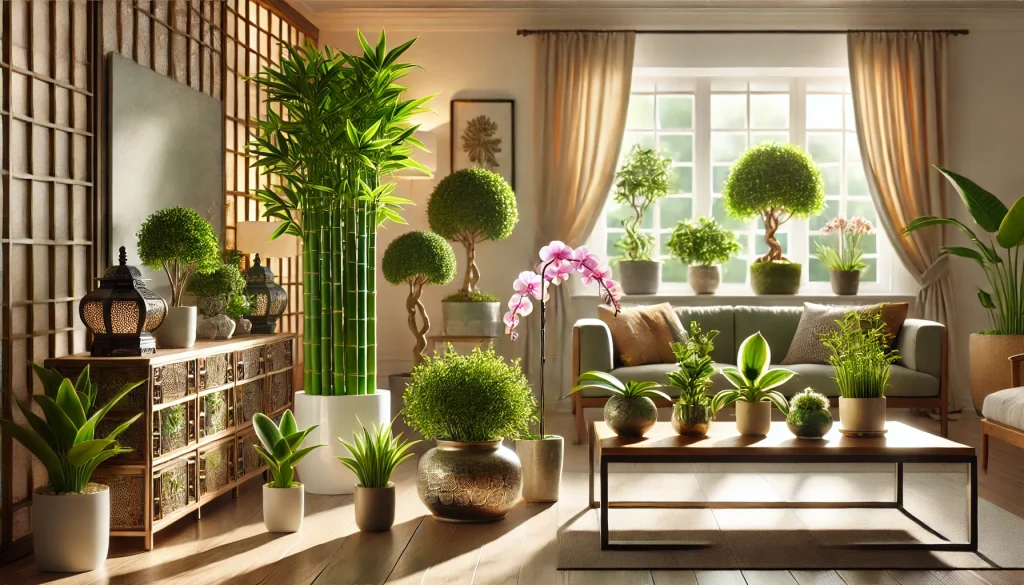
Struggling to bring balance and positive energy into your home? Your space might be missing the vibrant touch of Feng Shui plants.
Discover how growing Feng Shui plants can harmonize your environment and attract prosperity, health, and happiness.
Growing Feng Shui Plants Key Takeaways
- Growing Feng Shui plants enhances your home’s energy by promoting harmony, prosperity, and well-being.
- Choose plants like Lucky Bamboo for wealth, Snake Plant for vitality, and Peace Lily for balance.
- Place them strategically in well-lit areas and care for them regularly to keep their energy strong and positive.
- A thriving plant equals thriving Chi!
1. The Basics of Growing Feng Shui Plants
It’s amazing how a few carefully chosen plants can completely shift the energy of your home.
Feng Shui plants don’t just add greenery. They transform your space into a sanctuary of balance and positivity.
Whether you’re looking to improve your well-being or attract abundance, understanding these plants is the first step.
Let’s explore what makes Feng Shui plants so special and how to choose the right ones for your space.
What Are Feng Shui Plants?
Feng Shui plants are more than just decorative plants. They’re living symbols of harmony and vitality.
These plants connect you to nature, promote growth, and fill your space with uplifting energy.
- Key Benefits of Feng Shui Plants:
- Bring balance and harmony to your home.
- Promote positive energy flow.
- Symbolize growth, health, and prosperity.
The Role of Plants in Feng Shui
Plants are essential in Feng Shui because they bring the wood element into your space.
The wood element represents vitality, growth, and renewal, qualities every home can benefit from.
- How Plants Enhance Feng Shui:
- Balance the five elements: Plants harmonize wood, fire, earth, metal, and water.
- Purify the air: Healthy plants clean the air, boosting overall energy.
- Improve Chi flow: Plants placed in strategic spots can energize or calm specific areas.
For example:
- Wealth Corner: A Money Tree energizes financial success.
- Bedroom: Lavender or Peace Lilies create a soothing environment for relaxation.
- Front entrance: A Jade Plant symbolizes prosperity and welcomes good fortune.
Choosing the Right Plants for Your Space
Picking the right feng shui plant depends on your goals and the environment in which you work. Here are some tips to help you decide:
- For low-light spaces:
- Snake Plant
- Pothos
- Peace Lily
- For air purification:
- Areca Palm
- Spider Plant
- Aloe Vera
- For specific energy goals:
- Lucky Bamboo: Invites harmony and good fortune.
- Orchids: Enhance love and beauty.
- Rubber Plant: Attracts abundance.
Pro Tip: Always choose healthy, thriving plants to keep energy flowing smoothly. A wilting plant can block or weaken positive Chi, so regular care is essential.
Read more about Understanding Chi and Indoor Plants
2. Feng Shui Plant Categories
Plants play a unique role in Feng Shui, and each type brings something special to the table.
Whether you’re looking to attract wealth, boost your health, strengthen relationships, or create a calming space, there’s a perfect Feng Shui plant for every goal.
Let’s break it down into categories to help you pick the right plant for the energy you want to encourage.
Plants for Wealth and Prosperity
If you’re looking to boost financial luck and abundance, these plants are your go-to choices:
- Lucky Bamboo: Known for its resilience and simplicity, it symbolizes growth and good fortune. Place it in the southeast corner of your home to energize your wealth zone.
- Money Tree: Its braided trunk and lush leaves attract financial growth and stability. Perfect for your office or a sunny living room.
- Jade Plant: Sometimes called the “money plant,” it’s a favorite for prosperity. Keep it near the entrance to invite wealth into your home.
- Rubber Plant: With its large, glossy leaves, it represents abundance and success. Place it in the southeast for maximum impact.
- Citrus Trees: Orange or lemon trees bring bright, vibrant energy and symbolize prosperity. They’re especially auspicious during the Lunar New Year.
- ZZ Plants: Zamioculcas zamiifolia is associated with wealth and prosperity in Feng Shui. It is considered a “money magnet” and is believed to attract financial abundance and good fortune. Learn How To Grow ZZ Plants
- Coffee Plants: Coffee plants (Coffea arabica) are a beautiful addition to your home. In Feng Shui, these plants represent prosperity, vitality, and focus. Perfect for cultivating a harmonious atmosphere that promotes positive energy and balance.
Plants for Health and Vitality
Looking to energize your home and improve your well-being? These plants are natural health enhancers:
- Aloe Vera: Known for its healing properties, it’s a natural air purifier and protective energy booster.
- Snake Plant: Hardy and low-maintenance, it absorbs toxins and promotes restful sleep—great for bedrooms or living areas.
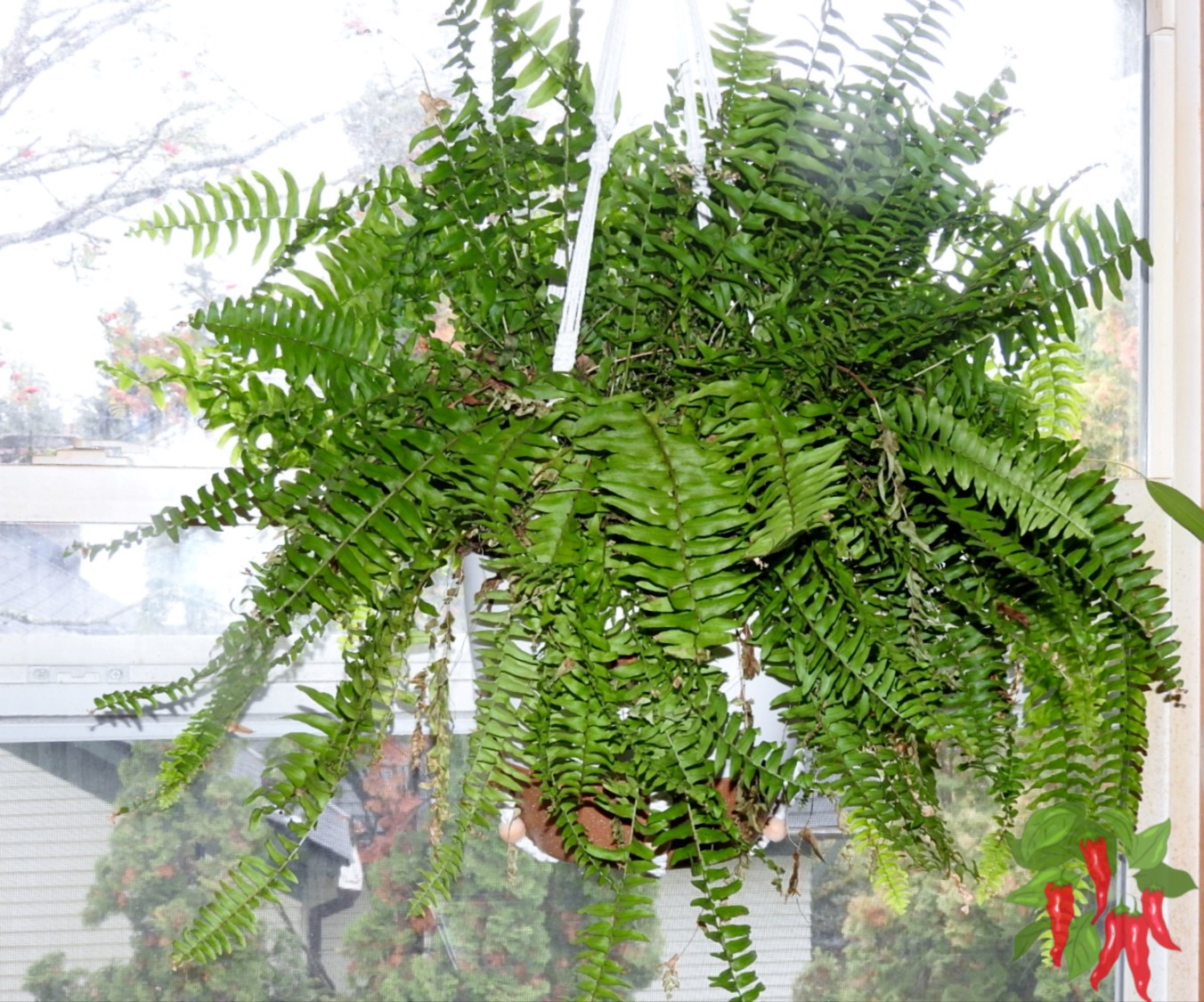
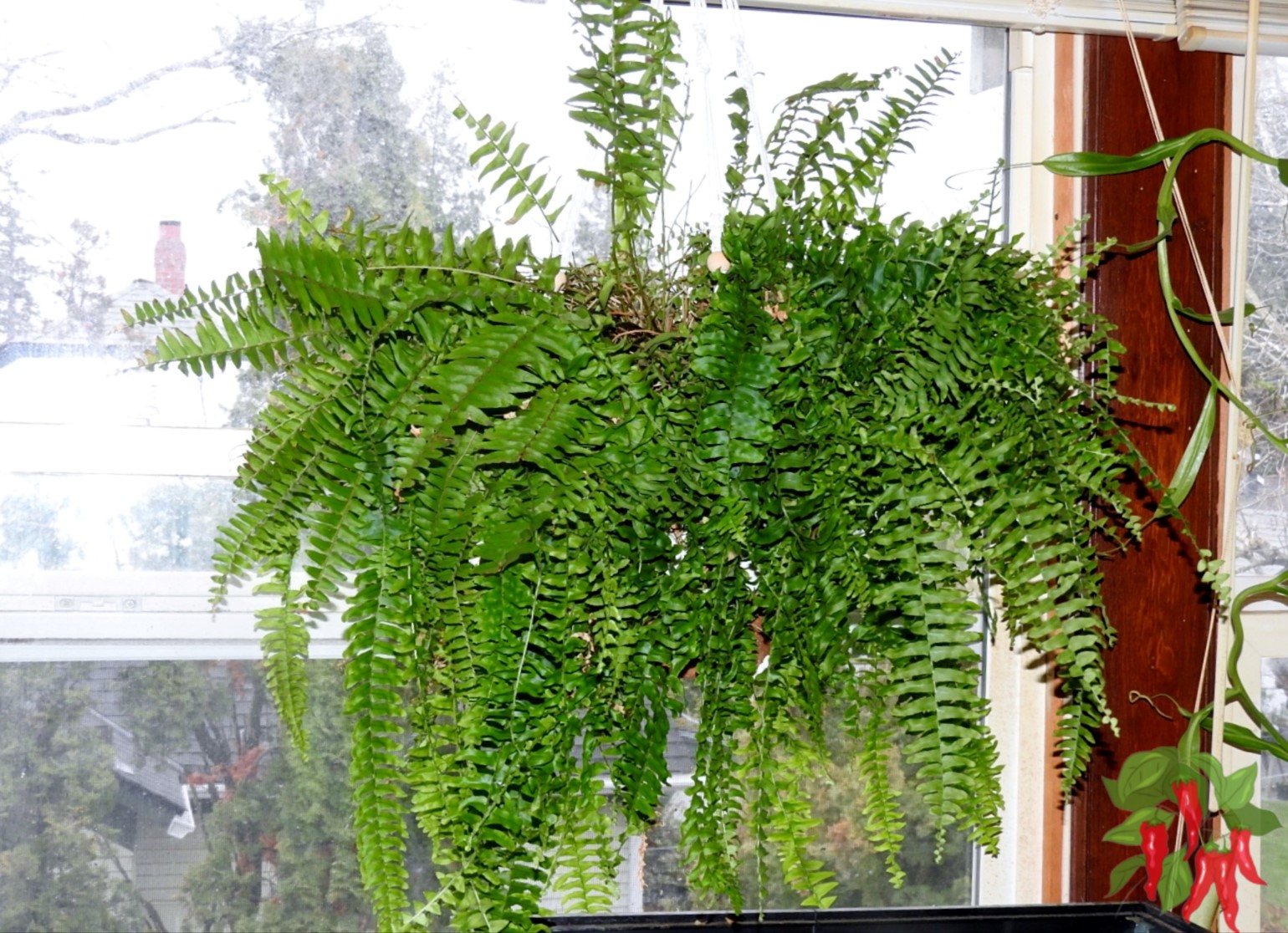
- Ferns: Their lush foliage brings fresh, rejuvenating energy into any space.
- Calathea: Known as the “prayer plant,” its patterned leaves bring a sense of vitality and harmony.
- Bamboo Palm: A natural air purifier, it creates a serene, healthy environment—ideal for busy households.
- Kalanchoe: It brings vibrant energy to a space while being easy to care for, and its colorful blooms add joy and vitality.
Plants for Love and Harmony
For those looking to foster romance, connection, or peaceful relationships, these plants are excellent choices:
- Peace Lily: Its graceful white blooms symbolize balance and harmony. Place it in the bedroom for a soothing energy.
- Orchid: Representing love and beauty, Orchids enhance romantic energy. They also make a thoughtful gift for loved ones.
- Peony: Often associated with love and marriage, it’s a favorite for enhancing romantic relationships and adding a touch of elegance.
- Chrysanthemums: Strategic placement enhances their symbolic energy, inviting joy, prosperity, and harmony into your space.
Learn how to grow and care for Chrysanthemums indoors
Plants for Relaxation and Protection
Sometimes, you just need your space to feel calm, safe, and rejuvenating. These plants help you unwind:
- Lavender: Its calming fragrance reduces stress and promotes relaxation. Ideal for bedrooms or meditation areas.
- Tulsi (Holy Basil): A sacred plant in many cultures, it promotes spiritual growth and protects against negative energy.
- Spider Plant: Known for its air-purifying qualities, it creates a fresh and protective atmosphere. Perfect for kitchens or home offices.
Quick Tip: Choose plants that fit your personal energy goals and care routine.
A healthy, thriving plant enhances Feng Shui and makes your home feel more welcoming and peaceful.
3. Detailed Growing Guides for Feng Shui Plants
Feng Shui plants thrive best when they’re healthy and well-cared for. A little extra attention can make a big difference in their ability to channel positive energy into your home.
Below, you’ll find growing tips for each plant category to keep your Feng Shui garden lush and vibrant.
Wealth and Prosperity Plants
- Lucky Bamboo Care Guide

Lucky Bamboo is a symbol of resilience and good fortune. It thrives in water or soil but prefers indirect light. Use filtered water to avoid chemical buildup and change the water weekly to keep it fresh. Trim overgrown roots for a tidy, energetic look. - Money Tree Growing Tips
Place your Money Tree in bright, indirect light and water it only when the top inch of soil feels dry. It enjoys humidity, so misting the leaves occasionally helps. Rotate the plant weekly to ensure even growth and prosperity. - Jade Plant Feng Shui Care
Jade Plants love sunlight, so keep them in a sunny spot. Let the soil dry out completely between waterings to avoid root rot. A well-draining pot is key for keeping this lucky plant thriving. - Rubber Plant Abundance Tips
Rubber Plants thrive in moderate to bright indirect light. Wipe the leaves with a damp cloth to keep them shiny and dust-free. Use a well-draining potting mix and water sparingly—these plants don’t like soggy roots. - Citrus Trees for Prosperity
Citrus Trees need plenty of sunlight, so place them near a south-facing window. Water when the soil is dry 2-3 inches deep, and use a citrus-specific fertilizer for healthy growth. Prune regularly to encourage fruit production and maintain shape.


Learn how to grow indoor citrus trees and Feng Shui benefits
Health and Vitality Plants
-
- Snake Plant Energy Guide
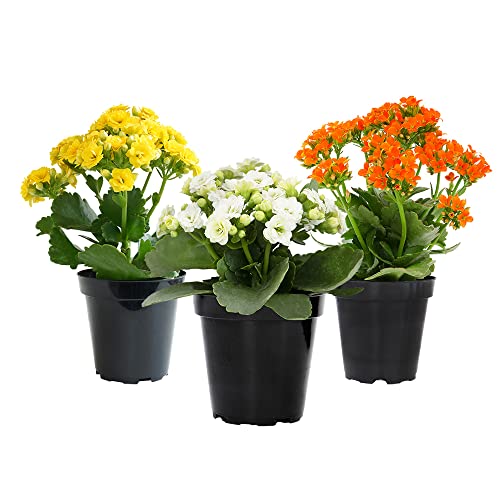
Snake Plants are nearly indestructible! They can handle low light but prefer bright, indirect light. Water sparingly, as they store moisture in their leaves. Perfect for busy households. Growing Snake Plants Indoors- Kalanchoe for Vibrant Energy Kalanchoe is a flowering succulent that thrives in bright, indirect light. Use well-draining soil and water sparingly, letting the soil dry out between waterings. Its colorful blooms bring uplifting energy and positivity, making it perfect for energizing living areas or sunny spots in your home.
- Kalanchoe for Vibrant Energy
- Ferns for Health and Vitality
Ferns enjoy moist soil and high humidity. Mist them frequently, especially during dry seasons, and keep them in indirect light. A pebble tray with water under the pot can help maintain humidity.
- Snake Plant Energy Guide
- Learn about:
- Fern Care Indoors: Growing Ferns and Feng Shui Made Easy
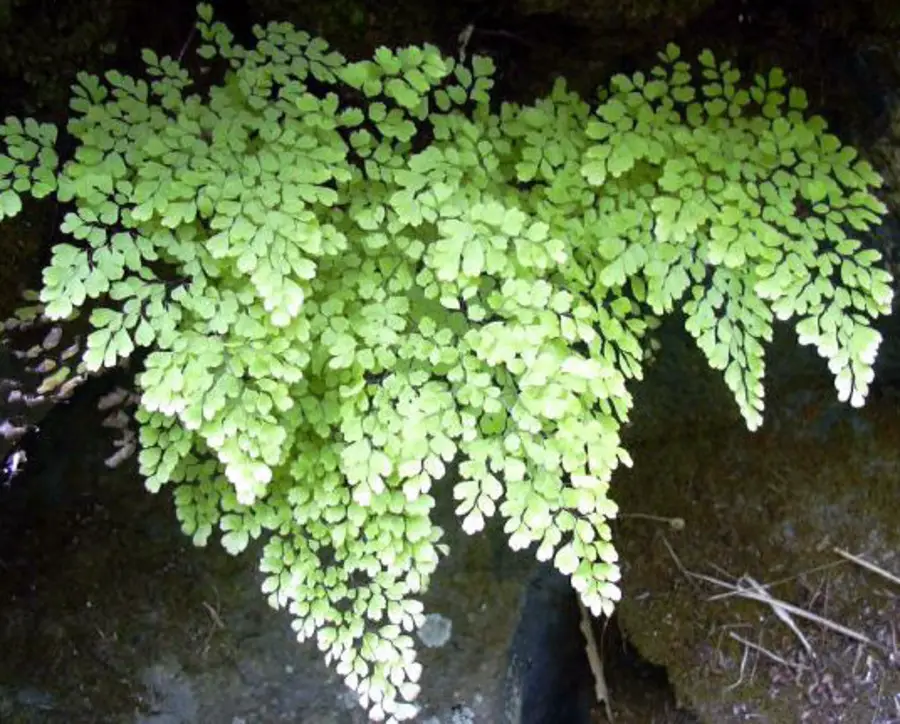
- Maidenhair Fern Care: Feng Shui & Inspiring Indoor Harmony
- Boston Fern Care: Indoor Growth Tips and Feng Shui Harmony
- Benefits of Ferns Indoors: How to Transform Your Home – Heavenly Houseplants


-
- Aloe Vera Protection Guide
Aloe Vera loves bright, indirect sunlight. Water deeply but allow the soil to dry out completely between waterings. Use well-draining soil, and avoid letting water sit in the leaves’ rosettes.
- Aloe Vera Protection Guide
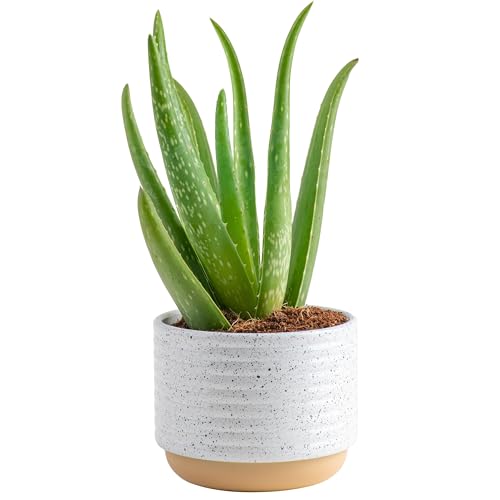
Learn how to grow Aloe vera indoors. Get care tips and Feng Shui tips.
-
- Calathea Prayer Plant Care
Calatheas prefer filtered light and consistently moist soil. Use lukewarm, distilled water to avoid leaf curling or browning. These plants love humidity, so consider a humidifier or regular misting.
- Calathea Prayer Plant Care
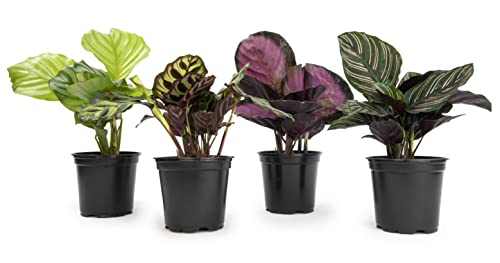
Read: How to Grow Caltheas
- Bamboo Palm Growth for Serenity
Bamboo Palms thrive in bright, indirect light but can tolerate lower light conditions. Keep the soil slightly moist and mist the leaves to maintain their lush appearance.

Learn how to grow Bamboo Palms indoors and get Feng Shui tips.
- Areca Palm Feng Shui Essentials
Areca Palms need bright, indirect light and regular watering to keep the soil moist but not soggy. Mist the leaves to maintain their lush appearance.

Learn more: Growing Areca Palms Indoors: Areca Palm Care Feng Shui Tips
Parlor Palm Chamaedorea elegans Care and Feng Shui Placement
Love and Harmony Plants
-
- Growing Peace Lilies Indoors
Peace Lilies need medium, indirect light and thrive in evenly moist soil. They’ll tell you when they’re thirsty—the leaves droop slightly. Keep them away from drafts to maintain healthy blooms. - Philodendron Feng Shui Placement
Philodendrons are adaptable, thriving in medium to bright indirect light. Water when the topsoil dries out, and keep their leaves clean for optimal energy flow. - Orchid Growth and Placement
Orchids love bright, indirect light and prefer a well-draining Orchid mix. Water once a week, allowing excess water to drain out completely. Orchids thrive on consistency, so avoid frequent changes in temperature or placement. - Peony Growth and Love Energy
- Growing Peace Lilies Indoors


Peonies flourish outdoors, but they can grow indoors with bright light and well-draining soil. Keep them in a cool spot to encourage blooming. Remove faded flowers to promote new growth.
Learn how to grow Peonies indoors and outdoors
Relaxation and Protection Plants
-
-
- Lavender Energy and Relaxation
Lavender loves bright sunlight—at least 6 hours daily. Use sandy, well-draining soil and water sparingly. Place it in bedrooms or living spaces for a calming effect. Learn how to grow lavender indoors - Pothos for Positive Energy
Pothos thrives in low to bright indirect light. Allow the soil to dry out between waterings, and its trailing vines make it perfect for shelves or hanging baskets. - Tulsi (Holy Basil) Spiritual Growth
Tulsi thrives in warm, sunny spots with consistent watering. Use well-draining soil and pinch back new growth to keep it bushy. This plant benefits from occasional fertilization with an organic mix. - Learn about Growing Tulsi Holy Basil
- Spider Plant Air Purification Tips
Spider Plants are adaptable and love bright, indirect light. Water when the top inch of soil feels dry, and trim any brown tips to keep it looking fresh. Its natural air-purifying qualities make it perfect for kitchens and home offices.
- Lavender Energy and Relaxation
-


Pro Tip: Happy plants equal happy energy! Regularly check your plants for signs of distress, like yellowing leaves or wilting. Address issues early to keep the positive vibes flowing in your home.
4. How to Arrange Feng Shui Plants in Your Home
Arranging Feng Shui plants isn’t just about aesthetics it’s also about creating a space that feels balanced and alive.
The right placement can amplify their energy and help you achieve harmony in every corner of your home.
Let’s look at how to make the most of your plants in different rooms and how to balance the five Feng Shui elements.
Placement Tips by Room
Every room has its own energy needs, and Feng Shui plants can help bring them into balance. Here’s how to use them effectively:
-
-
- Living Room
- Snake Plant: Place this near a window to absorb negative energy and purify the air.
- Money Tree: Position it in the southeast corner to activate the wealth and prosperity area.
- Peace Lily: Add this near your seating area for calm and balanced energy.
- Bedroom
- Lavender: Place it on your nightstand for its soothing aroma and stress-relief properties.
- Orchid: Use it as a romantic touch on a dresser or window sill.
- Peony: Keep it on a side table or near a window to enhance love and harmony.
- Office
- Jade Plant: Put it on your desk to attract success and financial growth.
- Lucky Bamboo: Place it in the east or southeast corner for good luck and a productive vibe.
- Pothos: Hang it in a corner or on a shelf to fill the room with fresh energy and creativity. How To Grow Pothos
- Kitchen
- Aloe Vera: Perfect for a sunny windowsill, it adds a protective and purifying energy.
- Citrus Trees: Position them near a window to symbolize abundance and freshness.
- Spider Plant: Great for countertops or hanging baskets to keep the air clean and energy-light.
- Living Room
-
Balancing the Five Elements
In Feng Shui, harmony comes from balancing the five elements: wood, water, earth, fire, and metal.
Plants naturally bring in the wood element, but you can enhance the balance by incorporating other elements through placement and décor.
-
-
- Wood Element: Plants themselves, like Lucky Bamboo or a Rubber Plant, bring growth and vitality.
- Water Element: Add a small fountain or a blue vase near your plant to symbolize fluidity and abundance.
- Earth Element: Use terracotta pots or add stones to your plant display for grounding energy.
- Fire Element: Incorporate red or orange planters or flowering plants like Peonies to ignite passion and warmth.
- Metal Element: Pair your plants with metallic planters or ornaments to bring clarity and focus.
-
Quick Tip: Balance doesn’t mean cramming all five elements into one spot. Spread them around your home to create a smooth flow of energy.
Arranging your Feng Shui plants is all about finding what works for your space and your goals.
Experiment with placements, and don’t be afraid to make adjustments until it feels just right. A balanced home is a happy home!
5. Feng Shui Plant Care Tips
Keeping your Feng Shui plants healthy isn’t just about aesthetics it’s about maintaining the positive energy they bring into your home.
A thriving plant symbolizes vitality, while a wilted one can drag down the energy of your space.
Let’s explore how to care for your plants, so they stay lush and full of life.
General Maintenance Guidelines
Healthy plants thrive with a little attention and consistency. Here’s how to meet their basic needs:
-
-
- Watering:
- Most plants prefer evenly moist soil, but overwatering can lead to root rot.
- Always check the top inch of soil before watering—if it’s dry, it’s time to water.
- Use filtered or distilled water for sensitive plants like Lucky Bamboo and Peace Lilies.
- Lighting:
- Bright, indirect light is ideal for most Feng Shui plants.
- For low-light areas, choose plants like Snake Plants or Pothos.
- Avoid placing plants in direct sunlight unless they’re sun-loving, like Citrus Trees.
- Soil:
- Use well-draining soil to prevent water from pooling around the roots.
- For plants like Jade or Aloe Vera, a sandy mix works best.
- Replenish the soil every year or two to keep nutrients fresh.
- Watering:
-
The Importance of Healthy Plants in Feng Shui
In Feng Shui, healthy plants radiate vibrant energy that positively impacts your home.
On the flip side, a neglected plant can create stagnation or even block Chi flow.
-
-
- Why Healthy Plants Matter:
- Symbol of vitality: A thriving plant mirrors personal and environmental well-being.
- Energy amplifier: Plants like the Money Tree and Peace Lily actively enhance Chi, but only when they’re in good condition.
- Connection to nature: Healthy plants foster a sense of balance and grounding in your home.
- Why Healthy Plants Matter:
-
Quick Tip: If a plant starts to wilt or turn yellow, it could reflect neglect or imbalance in your personal life.
Caring for it can be a powerful way to restore harmony in your space.
How to Revitalize Neglected Feng Shui Plants
Life gets busy, and sometimes plants don’t get the care they deserve. The good news? Many Feng Shui plants are hardy and can bounce back with the right TLC.
-
-
- Revival Tips:
- Inspect the roots: Check for signs of rot or overcrowding. Repot if needed, using fresh soil.
- Trim dead leaves: Remove any yellowing or damaged foliage to redirect energy into healthy growth.
- Adjust lighting: Move the plant to a brighter or more suitable spot.
- Hydrate smartly: Slowly reintroduce water if the plant has dried out completely, but don’t overdo it.
- Feed regularly: Use a balanced, all-purpose fertilizer to encourage new growth.
- Revival Tips:
-
Pro Tip: For plants with sentimental value, like a gifted Lucky Bamboo patience is key. Even small improvements in their health can help restore positive energy to your home.
Caring for Feng Shui plants doesn’t have to be complicated.
With consistent attention and a little love, you’ll have a home full of thriving greenery that energizes your space and lifts your spirits.
6. FAQs About Growing Feng Shui Plants
It’s natural to have questions when adding Feng Shui plants to your home. From choosing the luckiest plant to figuring out where to place them, these answers will help you make the most of your green companions.
Let’s clear up some common concerns so you can start creating a harmonious space with confidence.
Q: Which Feng Shui Plant Brings the Most Luck?
A: Lucky Bamboo and the Money Tree are often considered the most auspicious Feng Shui plants. Lucky Bamboo symbolizes resilience and good fortune, while the Money Tree is believed to attract wealth and prosperity. Placing these in the southeast corner of your home or office can maximize their lucky energy.
Q: Where Should I Place My Money Tree?
A: The best spot for your Money Tree is in the southeast corner of your home, known as the wealth corner in Feng Shui. If you’re placing it in an office, a well-lit area near your desk can enhance career growth and financial success. Avoid placing it in bathrooms or low-energy areas, as this can dampen its effect.
Q: Can I Use Fake Plants in Feng Shui?
A: While real plants are preferred for their living energy, high-quality artificial plants can be used if maintenance is a challenge. Make sure they look realistic, stay clean, and aren’t faded or damaged. However, fake plants won’t purify the air or bring the same vibrant energy as living ones, so use them sparingly.
Q: What Are the Best Feng Shui Plants for Small Spaces?
A: If you’re short on space, opt for compact, low-maintenance plants like:
-
-
- Lucky Bamboo: Small, elegant, and thrives in water.
- Pothos: Perfect for hanging baskets or small shelves.
- Spider Plant: Adds greenery without taking up much room.
-
These plants save space and also enhance energy flow in tighter areas like apartments or offices.
Q: Do Feng Shui Plants Require Special Care?
A: Feng Shui plants don’t need special care beyond what’s typical for houseplants, but their health is crucial to maintaining positive energy. Focus on:
-
-
- Regular watering and pruning: Healthy plants radiate vibrant energy.
- Proper placement: Align their location with Feng Shui principles.
- Attention to appearance: Remove yellowing leaves and keep them clean to maintain their visual appeal and energetic flow.
-
Adding Feng Shui plants to your home doesn’t have to be overwhelming. With the right knowledge and a little effort, you can enjoy all the benefits these plants bring while creating a more peaceful and positive environment.
7. Conclusion: Bring Positive Energy into Your Home By Growing Feng Shui Plants
Feng Shui plants are more than just a way to decorate—they’re a powerful tool to harmonize your space and improve your life.
From attracting wealth to enhancing love and promoting relaxation, these plants offer something for everyone.
Let’s recap why they’re worth adding to your home and how to get started.
Wealth and Prosperity
Plants like Lucky Bamboo, Money Trees, and Jade Plants are perfect for boosting financial success and abundance.
Strategically placing them in your home, especially in the southeast corner, helps energize your wealth zone.
Health and Vitality
Bring fresh energy and purify the air with Aloe Vera, Snake Plants, and Bamboo Palms.
These plants improve your well-being and create a vibrant, healthy atmosphere in your living spaces.
Love and Harmony
Add a touch of romance and balance with Peace Lilies, Orchids, and Peonies. These plants enhance the energy in bedrooms and shared spaces, promoting stronger relationships and a more peaceful home.
Relaxation and Protection
For a calming vibe, plants like Lavender, Tulsi, and Spider Plants are fantastic choices. These plants reduce stress, clean the air, and make your space feel safe and inviting.
Transform Your Home’s Energy Today!
Your home should be a place of balance and positivity, and growing Feng Shui plants is an easy and rewarding way to achieve that.
Start small and pick a plant that fits your goals and space, and let it thrive under your care.
Soon, you’ll feel the difference these plants make, not just in your surroundings but in your life as well.
Call-to-Action: Transform your home’s energy today by adding these powerful Feng Shui plants to your space!
Whether it’s a Money Tree for abundance or Lavender for relaxation, there’s a plant waiting to improve your energy and brighten your home.
✨ Indoor Plants and Feng Shui
Enhance harmony, balance, and positive energy in your home with these Feng Shui indoor plant guides.
- 🌱 Feng Shui Plants (Pillar Guide)
- 🏡 Indoor Plants and Feng Shui
- 🌿 Feng Shui Vertical Gardens for Office Spaces
- 🌸 Best 24 Feng Shui Indoor Plants
- 💧 Growing Feng Shui Plants
- 🌳 Common Chinese House Plants for Feng Shui
- 🪴 Feng Shui Hanging Plants
- 🛏️ Feng Shui Bedroom Plants
- 🍃 ZZ Plant Feng Shui
- 🌱 Using Feng Shui in Vertical Gardens
- 🎋 Growing Lucky Bamboo in Feng Shui
- 🏠 Indoor Plants for Feng Shui
- ☯️ Indoor Plants for Positive Energy
- 🌼 Chinese Evergreen Care
- 🌺 Growing Peonies Indoors and Outdoors
- See all articles in our Indoor Plants and Feng Shui category
Caring for African Violets: Indoor Feng Shui Tips and Tricks
Caring for Begonias Indoors: Feng Shui Principles & Joyous Gardens
Caring for Dragon Tree Indoors: Feng Shui: Easy Dracaena & Feng Shui
Cast Iron Plant Care Indoors: Easy Aspidistra Feng Shui Tips
Chinese Evergreen Care: Boost Growth & Energy with Feng Shui
Caring for Jasmine Indoors: Growth Tips & Feng Shui Placement
Related Content

Visit my Amazon Influencer Page for videos and gardening products Grow Your Own Garden